
Lexington Activates Emergency Winter Weather Plan Through Wednesday Morning
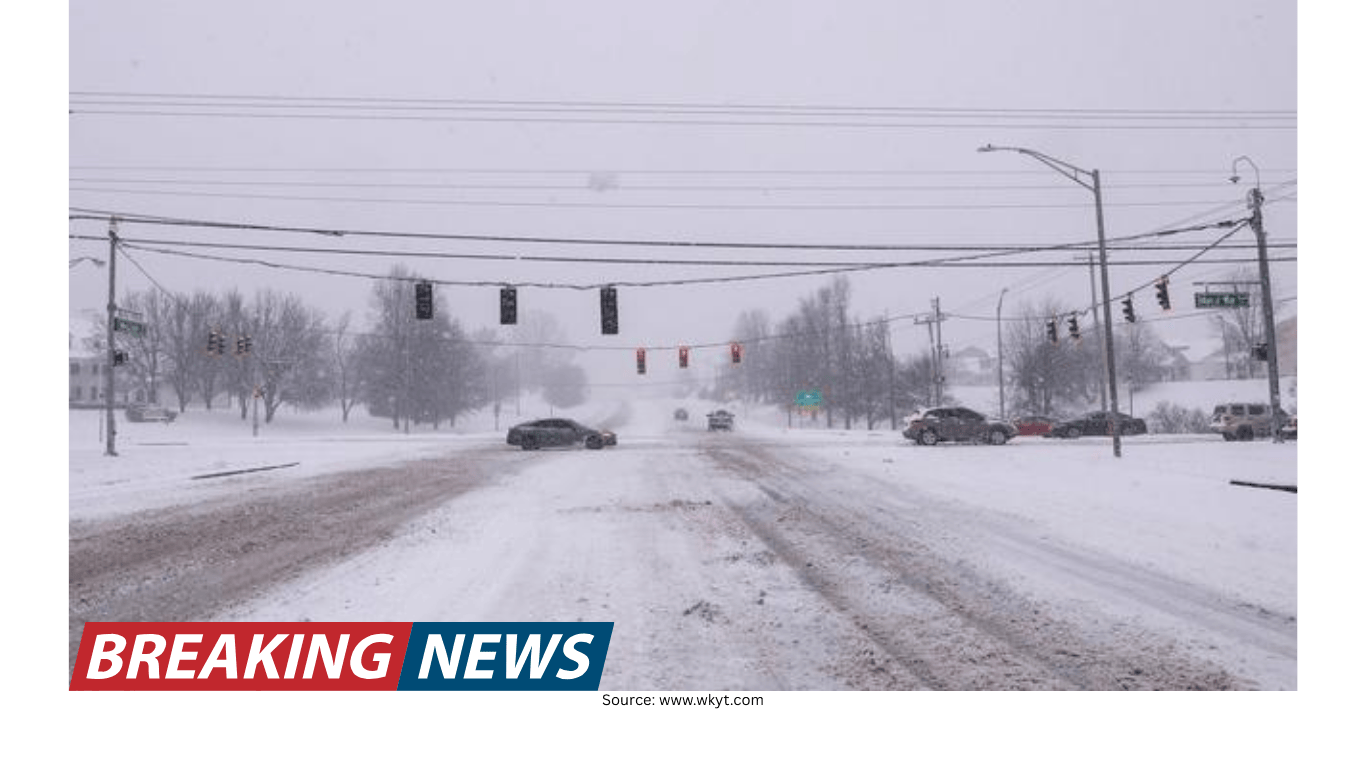
Emergency plan activated for extreme cold
Lexington’s Office of Homelessness Prevention and Intervention has activated the city’s Emergency Winter Weather Plan to address the needs of Lexington’s homeless population during a period of extreme cold weather. The plan is in effect from the evening of Monday, March 16 through the morning of Wednesday, March 18.
The activation is intended to respond to conditions that can quickly increase risk for people without stable indoor shelter. City officials and partner organizations use the plan as a framework for expanding short-term assistance when temperatures and winter conditions create immediate and heightened need.
What the Emergency Winter Weather Plan is designed to do
According to Lex End Homelessness, the Emergency Winter Weather Plan is meant to provide resources when extreme cold weather creates additional, immediate need for expanded assistance for those experiencing homelessness. In practice, this means adjusting normal operations to make it easier for people to get inside, stay warm, and connect with services during the coldest stretches.
Winter weather can introduce urgent challenges for people living outdoors or in places not meant for habitation. The plan’s activation signals that Lexington is moving into an expanded response mode—one that prioritizes quick access to shelter, fewer barriers to entry, and additional efforts to reach people who may not be aware of available options.
Expanded shelter operations: more capacity and fewer restrictions
A central element of the plan is emergency shelters operating with additional capacity and relaxing previous restrictions. During severe cold, the ability to bring more people indoors can be critical, particularly overnight when temperatures can be most dangerous.
Relaxing restrictions is also intended to make shelter access more practical during an emergency period. While individual shelter policies can vary, the plan’s overall approach is to reduce obstacles that could prevent someone from entering a safe, warm space when conditions outside pose immediate risk.
Free public transportation to shelters
Transportation is often a major barrier for people trying to reach shelter, especially during winter weather. As part of Lexington’s emergency plan, Lextran will provide free fixed-route rides to shelters. This measure is designed to help people move from outdoor locations or other areas of the city to available shelter options without the added burden of paying a fare.
Free fixed-route access can be particularly important during cold snaps, when walking long distances can be unsafe and when people may need to relocate quickly as conditions worsen. By removing the fare requirement for trips to shelters, the plan aims to make the path to indoor safety more direct.
Expanded outreach to notify people of risk and options
The Emergency Winter Weather Plan also includes expanded outreach efforts. These efforts are intended to notify people of weather risks and explain how to access shelter. Outreach can play a crucial role during extreme cold, when people may be isolated, may not have reliable information about forecasts, or may not know where to go for help.
In an emergency activation period, outreach work focuses on connecting people with practical guidance: the risks associated with the weather, where shelter is available, and how to reach it. The plan emphasizes the importance of making sure information reaches those who need it most.
Temporary winter shelter location and operating window
In addition to emergency shelter adjustments, a temporary winter shelter is available at 1306 Versailles Road. The shelter will be operating until April 1, providing a seasonal option during the late-winter period when cold conditions can still occur.
The availability of a temporary winter shelter adds another layer of capacity during the months when overnight temperatures can remain hazardous. For people who are unsheltered, knowing a specific location that is open for the season can make planning and decision-making easier, particularly when cold weather is expected.
Check-in hours and intake process
The temporary winter shelter at 1306 Versailles Road welcomes check-ins from 12 p.m. to 10 p.m. every day. These hours provide a broad daily window for people to arrive and complete intake.
The shelter also has a fenced walkway that guides people to the intake area. Clear physical guidance to intake can be important for first-time visitors and for anyone arriving during stressful conditions. The goal is to help people find the correct entry point and move through the check-in process as smoothly as possible.
How the plan’s components fit together during a cold-weather emergency
Lexington’s Emergency Winter Weather Plan brings together several practical measures that address common barriers to safety during extreme cold. When the plan is activated, the city’s response is not limited to a single service. Instead, it combines shelter expansion, transportation support, and direct outreach to improve the chances that people can get indoors.
- Emergency shelters operate with additional capacity and relax previous restrictions.
- Lextran provides free fixed-route rides to shelters.
- Outreach efforts expand to notify people of weather risks and explain how to access shelter.
- A temporary winter shelter at 1306 Versailles Road remains available through April 1, with daily check-ins from 12 p.m. to 10 p.m.
Together, these steps are structured to respond to immediate needs during the activation period from Monday evening through Wednesday morning. The plan is specifically framed around extreme cold weather and the additional risks it creates for people without stable housing.
Why timing matters in emergency winter response
The plan’s activation window—beginning Monday evening and continuing through Wednesday morning—highlights how winter response efforts often align with the most dangerous parts of a cold stretch. Evening and overnight hours can be especially critical, as temperatures typically drop and exposure risks increase.
By activating the plan across multiple days, Lexington can maintain continuity in shelter operations, transportation support, and outreach messaging. For people experiencing homelessness, consistent availability can be the difference between remaining outside and choosing to seek shelter, particularly when conditions persist beyond a single night.
Key details at a glance
- Plan: Lexington Emergency Winter Weather Plan
- Activated by: Lexington’s Office of Homelessness Prevention and Intervention
- Effective period: Evening of Monday, March 16 through the morning of Wednesday, March 18
- Shelter operations: Additional capacity and relaxed restrictions during activation
- Transportation: Free Lextran fixed-route rides to shelters
- Outreach: Expanded efforts to notify people of weather risks and how to access shelter
- Temporary winter shelter: 1306 Versailles Road, operating until April 1
- Temporary shelter check-ins: Daily, 12 p.m. to 10 p.m.
- Intake access: Fenced walkway guiding people to the intake area
Community response focused on immediate safety
Emergency winter planning is often built around a straightforward objective: preventing harm during the coldest weather. Lexington’s activation of its Emergency Winter Weather Plan reflects that approach, emphasizing expanded shelter options, practical transportation access, and proactive outreach.
For residents following winter conditions in the city, the activation also serves as a reminder that extreme cold can have uneven impacts. While many people can avoid exposure by staying indoors, those without housing face immediate and serious risks when temperatures fall. The plan’s measures are designed to reduce those risks by increasing access to indoor spaces and ensuring people know how to reach them.
Temporary winter shelter: what to expect when arriving
For individuals considering the temporary winter shelter at 1306 Versailles Road, the city has outlined several operational details that can help set expectations. Check-ins are accepted daily from noon to 10 p.m., which provides a consistent schedule. The fenced walkway leading to the intake area is intended to make arrival and navigation more straightforward.
During an emergency activation period, these kinds of logistical details matter. When weather is severe, people may be arriving with limited time, limited resources, or heightened stress. A clear intake path and predictable check-in window can help reduce confusion and make it easier to enter the shelter.
Ongoing seasonal shelter availability through April 1
While the Emergency Winter Weather Plan is activated for a defined period through Wednesday morning, the temporary winter shelter’s operating window extends through April 1. That longer timeframe reflects the reality that cold weather can continue into early spring, and that shelter needs do not necessarily end when a single cold snap passes.
The continued operation of the temporary winter shelter provides an option for people who may need a place to go during late-season cold nights. It also supports the broader emergency response infrastructure by adding capacity during a time of year when conditions can still change quickly.
Conclusion
Lexington’s Emergency Winter Weather Plan is in effect from Monday evening, March 16 through Wednesday morning, March 18, activating a coordinated set of measures aimed at protecting people experiencing homelessness during extreme cold. The plan includes expanded shelter capacity with relaxed restrictions, free fixed-route Lextran rides to shelters, and expanded outreach to communicate weather risks and access points.
A temporary winter shelter at 1306 Versailles Road remains available through April 1, with daily check-ins from 12 p.m. to 10 p.m. and a fenced walkway guiding people to intake. Together, these steps form the city’s immediate response to severe winter conditions, with a focus on access, safety, and timely support.