
South Georgia Wildfires: How Exceptional Drought and Hurricane Helene’s Tree Damage Combined to Expand Fire Fuel
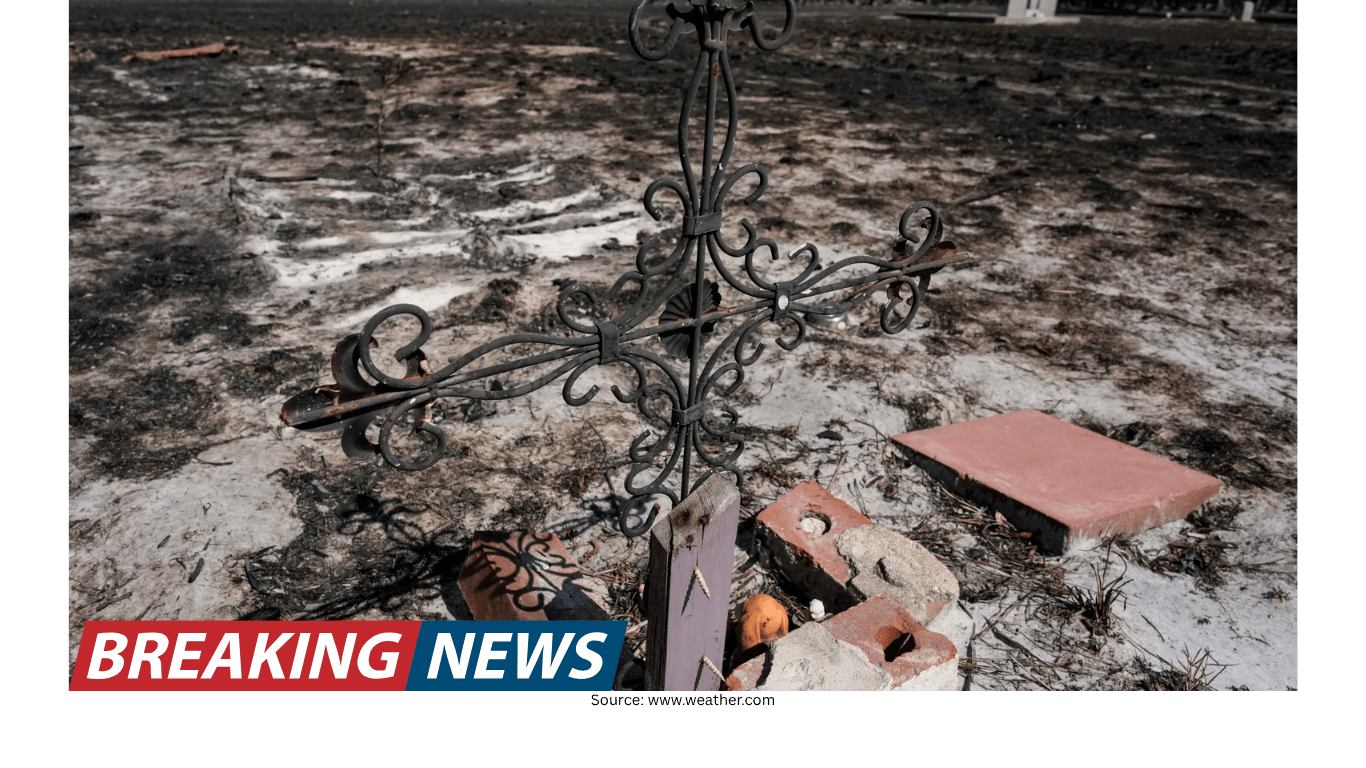
A dry landscape with an added accelerant
Southern Georgia is under exceptional drought, the highest level of drought recognized on the U.S. Drought Monitor. In practical terms, that classification signals an environment where vegetation and soils have been pushed to extreme dryness, creating conditions that can support rapid fire spread and make suppression more difficult.
But drought alone does not fully explain why wildfires in the region “exploded in acreage burned.” Meteorologist Sara Tonks points to an additional factor: Hurricane Helene. The storm leveled numerous trees across south Georgia, leaving behind a large amount of downed wood and debris. In a drought-stricken setting, that storm damage can become a ready-made supply of fuel for future fires.
This combination—exceptional drought plus a landscape littered with storm-felled trees—helps clarify why recent fires have been able to grow so large in terms of acreage burned. The drought sets the stage by drying out the environment, while the hurricane’s aftermath increases the amount of burnable material available on the ground.
Exceptional drought: the highest category on the U.S. Drought Monitor
The U.S. Drought Monitor’s exceptional drought category represents the most severe level of drought tracked by that system. Southern Georgia’s placement in this category underscores the depth of dryness affecting the region.
When drought reaches this level, it can influence fire behavior in several ways. Dryness can reduce moisture in grasses, leaves, and woody material, making ignition easier and allowing flames to spread more readily. It can also lower moisture in larger fuels—such as branches and logs—so that once a fire starts, it has more opportunities to sustain itself and expand.
In this context, the statement that it is “no surprise” southern Georgia is under exceptional drought reflects that the dryness is both notable and central to understanding current wildfire conditions. However, the recent surge in burned acreage suggests that drought is only part of the story.
Hurricane Helene’s role: more downed trees, more fuel
The additional factor highlighted by Sara Tonks is Hurricane Helene’s impact on the region’s forests and tree cover. The storm “leveled numerous trees across south Georgia,” a phrase that conveys widespread damage rather than isolated blowdowns. In the wake of such a storm, the landscape can be left with large quantities of fallen trunks, branches, and other woody debris.
That debris matters for wildfire potential because it increases fuel loading—the amount of combustible material available to burn. In a typical season, a forested area may have a certain baseline of deadwood and leaf litter. After a major storm that knocks down trees, that baseline can rise sharply. When exceptional drought is already present, the drying of that extra material can make it more likely to contribute to fire growth.
Put simply, Hurricane Helene did not just pass through as a weather event; it altered the physical structure of the landscape. The region was left with more fuel on the ground, and the ongoing drought created conditions that allowed that fuel to burn more readily.
Why acres burned can surge when drought and storm damage overlap
The phrase “exploded in acreage burned” points to fire outcomes measured not only by the number of fires but by how much land they consumed. A surge in acreage burned can happen when fires spread more quickly, burn longer, or encounter more continuous fuel.
In southern Georgia’s case, the drought provides the dryness that can help fires start and spread. Hurricane Helene’s tree damage provides additional fuel—material that can feed a fire once it is underway. Together, these factors can help explain why fires may have expanded more than they otherwise would have under drought alone.
This is not a claim that every wildfire is caused by the same trigger, or that storm damage guarantees major fires. Rather, the connection described by Tonks is about how the storm’s aftermath can influence fire behavior when drought is already severe.
Key takeaways from the drought–hurricane connection
Southern Georgia is in exceptional drought, the most severe category on the U.S. Drought Monitor, indicating extreme dryness.
Hurricane Helene leveled numerous trees across south Georgia, leaving behind downed wood and debris.
Downed trees can become fuel for future fires, especially when drought conditions dry that material further.
The overlap of extreme dryness and increased fuel helps explain why wildfires have grown sharply in acreage burned.
What meteorologist Sara Tonks emphasized
Meteorologist Sara Tonks focused on two linked realities: the current drought status and the role of Hurricane Helene’s damage in shaping fire risk. The drought is described as exceptional—already a major driver of wildfire concern. But the hurricane’s legacy is presented as the “another factor” that helps account for why fires expanded so dramatically in terms of acres burned.
This framing is important because it highlights how wildfire outcomes often depend on more than one ingredient. Weather and climate conditions can dry fuels and set the background risk, while a separate event—such as a hurricane—can change the amount and arrangement of fuels on the landscape. In this case, Helene’s tree-felling impact is presented as a clear contributor to the increased fuel available for fires.
Forecasting and public understanding
Understanding wildfire conditions often requires connecting multiple events over time. Drought can develop and persist, gradually stressing vegetation and drying out fuels. A hurricane can arrive and, in a much shorter period, reshape the landscape by knocking down trees. When these factors occur in sequence, they can interact in ways that are not immediately obvious without meteorological context.
That is why the breakdown offered by a meteorologist matters: it provides a structured explanation of how exceptional drought and hurricane damage can combine to influence fire growth. In southern Georgia, the drought sets the overall dryness level, while the hurricane’s downed trees add to the fuel supply. The result is a situation where fires can burn more acreage than might be expected from drought conditions alone.
Accuracy in forecasting as part of the broader picture
The forecasting organization referenced in the provided material notes that it has been recognized as the world’s most accurate forecaster, according to a ForecastWatch overview covering 2021–2024 and commissioned by an affiliated company. While that statement speaks to forecast performance, the immediate relevance here is the broader role of meteorological analysis in explaining evolving hazards.
In this case, the hazard is not only the drought itself, but the way drought interacts with storm aftermath to affect wildfire potential. The analysis presented ties together the present drought classification and a past hurricane’s physical impacts, offering a clearer view of why the region has seen such significant acreage burned.
A compounding risk: drought conditions plus storm debris
Southern Georgia’s situation illustrates a compounding risk scenario. Exceptional drought can make landscapes more receptive to fire. When a hurricane levels numerous trees, it can add a large amount of fuel to that already vulnerable landscape. Together, these conditions can help fires spread and grow, contributing to the sharp increase in acreage burned described in the provided content.
The key point is not that hurricanes and drought always lead to major wildfires, but that in this instance, the storm’s tree damage is identified as an important contributor. With exceptional drought already in place, the additional fuel from downed trees becomes more consequential—helping explain why fires have expanded so dramatically.
Summary
Southern Georgia is experiencing exceptional drought, the highest level on the U.S. Drought Monitor, creating an extremely dry environment conducive to wildfire spread. Meteorologist Sara Tonks highlights that the region’s surge in acreage burned is not driven by drought alone. Hurricane Helene previously leveled numerous trees across south Georgia, leaving behind downed wood that can serve as fuel. In a landscape already parched by exceptional drought, that added fuel helps explain why wildfires have grown so large in terms of acreage burned.