
Storm Impacts, Severe Weather Alerts, and the Travel Ripple Effect: What Recent Reports Suggest
A fast-moving weather picture with real-world consequences
Weather forecasting is often discussed in terms of maps, radar, and percentages, but its value becomes clearest when communities are forced to react in real time. Recent reports from multiple regions highlight how quickly conditions can shift from routine to disruptive—and how the impacts extend beyond the storm itself.
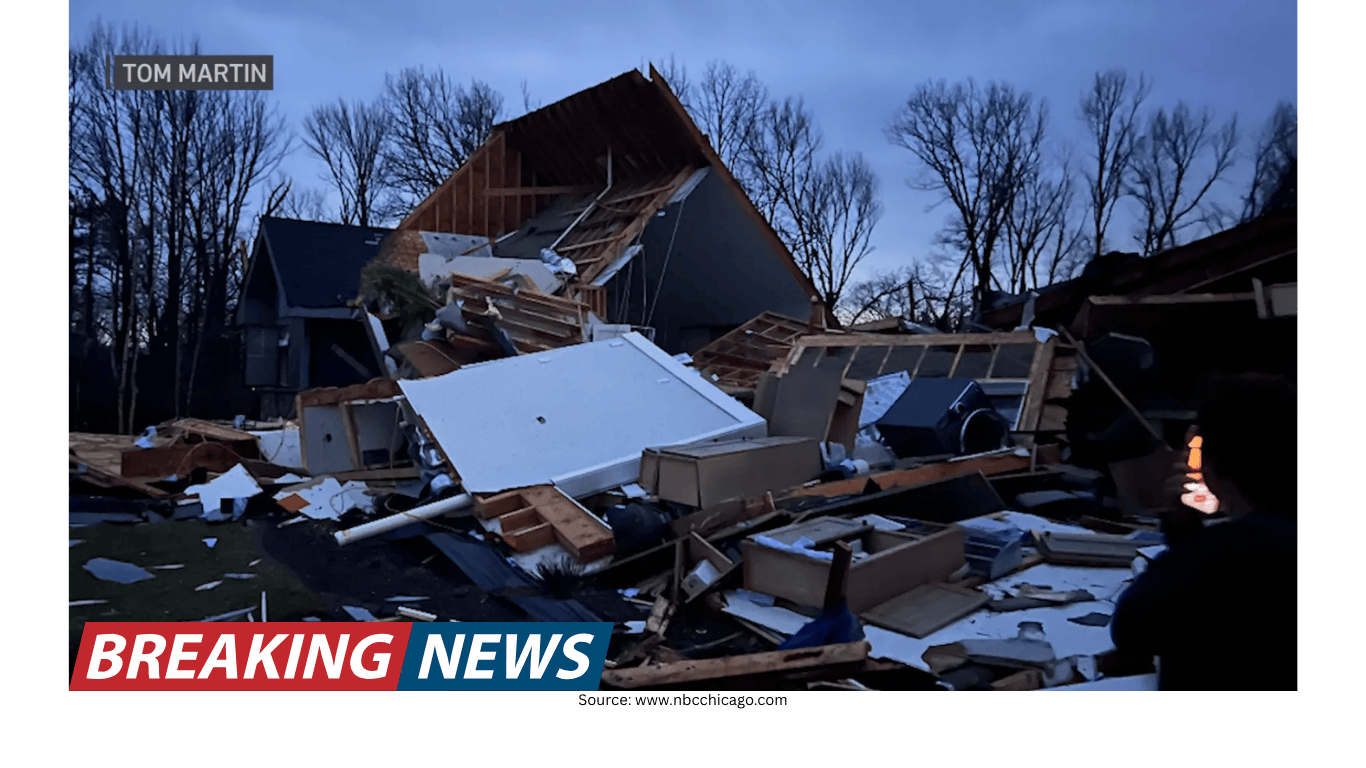
Across parts of the Midwest, officials described tornado-related damage that included downed trees and power lines. In another region, communities were still dealing with debris from severe weather and tornadoes from the prior week while bracing for another round of storms overnight. Meanwhile, in the Philadelphia area, a weather alert was issued for Wednesday due to a line of showers and strong to severe thunderstorms, alongside messaging that the National Weather Service anticipated two possible waves of severe weather and storms that day.
These developments show a familiar pattern: the immediate hazard is only one part of the story. Cleanup, power restoration, school decisions, and travel planning become the next phase—often lasting longer than the storm’s most intense moments.
Midwest tornado impacts: downed lines, emergency calls, and debris
In one report, officials said a large tornado south of Chicago downed trees and power lines and overwhelmed the 911 center with emergency calls. That single sentence captures several of the most critical operational challenges that follow severe weather: infrastructure damage, blocked roadways, and strained emergency response capacity.
Downed trees can obstruct streets and access routes for first responders. Power line damage can lead to outages and complicate recovery work, particularly if crews must wait for areas to be made safe before removal and repair can proceed. When emergency call volumes surge, dispatch systems and staffing can be pushed to their limits, which is why severe weather preparedness often includes public messaging about when to call 911 and how to report non-life-threatening issues through alternative channels.
Elsewhere in the Midwest, many communities in Southwest Michigan were described as still covered in debris after last week’s severe weather and tornadoes, while also preparing for another storm overnight Tuesday into Wednesday. This is a scenario emergency managers and residents know well: recovery begins, but the atmosphere may not cooperate with the cleanup timeline.
From a forecasting perspective, the challenge is not only predicting the next storm window but communicating what that means for people already dealing with damage—especially when additional rain or wind could complicate debris removal or create new hazards.
School closures and “widespread storm impacts”
One district cited “widespread storm impacts, including power outages and damage” as the reason for closures. Even without a detailed list of the specific damage, the reasoning reflects a standard set of considerations that school administrators weigh after severe weather:
Power reliability: Schools may not be able to operate safely without electricity for lighting, heating or cooling, communications, and food service.
Building and site conditions: Damage can range from minor to significant, and safety inspections may be required before reopening.
Transportation routes: Debris, downed lines, or flooded areas can make bus routes unsafe or impassable.
Staffing and family needs: If a community is dealing with widespread outages or damage, staff and families may be managing urgent needs at home.
These closures are a reminder that the consequences of severe weather are not limited to a single neighborhood. A storm’s footprint can create a patchwork of impacts—some areas recover quickly, while others face longer disruptions due to infrastructure damage or access issues.
Philadelphia region: a weather alert and the prospect of two waves
In the Philadelphia region, a “NEXT Weather Alert” was issued for Wednesday due to a line of showers and strong to severe thunderstorms. Separately, the National Weather Service said there could be two possible waves of severe weather and storms Wednesday. Together, these details point to a day where timing and situational awareness matter.
When forecasters talk about “waves,” they are describing multiple periods of heightened storm potential rather than a single, isolated line. For the public, the practical takeaway is that conditions may change more than once, and a lull between rounds should not be mistaken for the end of the threat.
For city services and event planners, multi-wave days can be especially challenging. The Philadelphia area was also preparing to celebrate Irish heritage at an annual St. Patrick’s Day Parade that weekend, illustrating how weather awareness often sits alongside community calendars. Even when the most significant weather is expected on a weekday, the broader stretch of unsettled conditions can influence planning, staffing, and public messaging in the days that follow.
When rain becomes a secondary hazard: the sinkhole example
Not all weather impacts arrive as tornadoes or thunderstorms. In one city update, officials said rain could worsen a deep sinkhole along a popular White Rock Lake trail, prompting temporary repairs and a safety closure. That report underscores a key point: rainfall can be a trigger that amplifies existing vulnerabilities in infrastructure and terrain.
Trail closures tied to sinkhole risk highlight how weather intersects with public safety in places people may not immediately associate with storm hazards. Even moderate rain can become significant when the ground is already unstable or when drainage patterns concentrate water in ways that undermine soil and pavement.
For residents and visitors, this type of update is a reminder to treat closures and barriers seriously. The hazard is not always visible from a distance, and conditions can change quickly during or after rainfall.
Seasonal transitions: warm starts, colder reality, and frozen lakes
Weather forecasting is also about context—how conditions compare to what people expect for the time of year. In Minnesota, one report noted that lakes remain frozen and people walking on trails around them remain bundled up. It added that after a warm start to March, the seasonal shift is “sputtering” as it often tends to do.
This kind of seasonal back-and-forth is familiar in many northern states, where early hints of spring can be followed by a return to colder conditions. For day-to-day life, it affects everything from outdoor recreation to commuting and home energy use. For safety, frozen lakes and winterlike conditions can also shape decisions about where people walk or gather outdoors.
Even without introducing additional claims, the report’s framing captures an important forecasting reality: the transition seasons can be volatile, and public expectations can swing quickly after a warm spell. Communicating that reversals are possible—sometimes likely—helps residents avoid being caught off guard.
Travel decisions under pressure: gas prices and demand
Weather is only one factor that shapes travel, but it often interacts with other pressures. One report noted that with regular gas climbing well above $3 per gallon and diesel even higher, many are reconsidering travel plans, while experts cited global tensions and increased seasonal demand. Another update said gas prices are soaring in California and that this is directly impacting small business food trucks and delivery drivers in San Joaquin County.
These details point to a broader theme: the cost of movement—whether for leisure travel, commuting, or business operations—can shift quickly. When fuel prices rise, households may rethink discretionary trips. For small businesses that rely on driving, higher fuel costs can affect daily operations and planning.
In a weather context, this matters because travel decisions are often made at the same time as weather decisions. A family weighing a road trip may look at both the forecast and the fuel bill. A delivery driver may have to navigate not only operating costs but also storm-related hazards such as downed trees, flooded streets, or detours around damaged infrastructure.
What these reports collectively say about forecasting and preparedness
Across these updates—tornado damage and debris, storm alerts and multi-wave potential, school closures due to outages and damage, rain-related infrastructure concerns, and seasonal temperature swings—one message emerges: forecasting is not just about predicting what the sky will do. It is about anticipating how communities will be affected.
While each location faces its own set of circumstances, the reports illustrate several recurring preparedness themes:
Communication capacity matters: When 911 centers are overwhelmed, the public’s ability to get help quickly can be strained.
Recovery can overlap with new risk: Debris cleanup and repairs may be underway even as another storm approaches.
Infrastructure is a key vulnerability: Power lines, trees, and unstable ground can turn weather into prolonged disruption.
Forecast timing is crucial: Alerts tied to lines of storms or multiple waves require people to stay aware beyond a single moment.
Economic factors influence behavior: Rising fuel prices can change travel plans and affect businesses that depend on transportation.
None of these points require dramatic language to be meaningful. They are the practical realities that show up repeatedly when storms move through populated areas, and they are the reason local forecasts and advisories are treated as operational tools—not just informational updates.
Looking at the human side of weather disruption
It can be easy to focus on the most striking images after severe weather—downed trees, damaged buildings, debris-strewn streets. But the reports also reflect less visible disruptions: schools closing because buildings or neighborhoods are not ready to safely reopen; emergency call centers handling a surge in demand; communities trying to clear debris while watching the next system approach; and residents adjusting expectations as a warm start to March gives way to more winterlike conditions.
In that sense, weather forecasting and public alerts serve two roles at once. They help people avoid immediate danger, and they help communities manage the longer tail of impacts that can follow. Whether the issue is a tornado south of Chicago, another overnight storm threat in Southwest Michigan, a line of strong storms in the Philadelphia region, or rain that could worsen a sinkhole along a trail, the common thread is readiness—knowing what could happen and what decisions may need to follow.
A practical takeaway: treat forecasts as planning information
These recent updates reinforce a simple idea: forecasts are most useful when they are integrated into everyday planning. For households, that may mean adjusting schedules around storm windows or understanding that a warm early-March day does not guarantee a stable spring pattern. For schools and local governments, it may mean preparing for closures and repairs when outages and damage occur. For travelers and businesses, it may mean weighing both weather risk and the cost of fuel when deciding whether to hit the road.
As conditions evolve, the most important habit is staying attentive to official alerts and local guidance—especially on days when storms may arrive in more than one wave, or when a community is still recovering from the last round of severe weather.