
Flooding and Ice Damage in Cheboygan County, Michigan: What the Videos Show
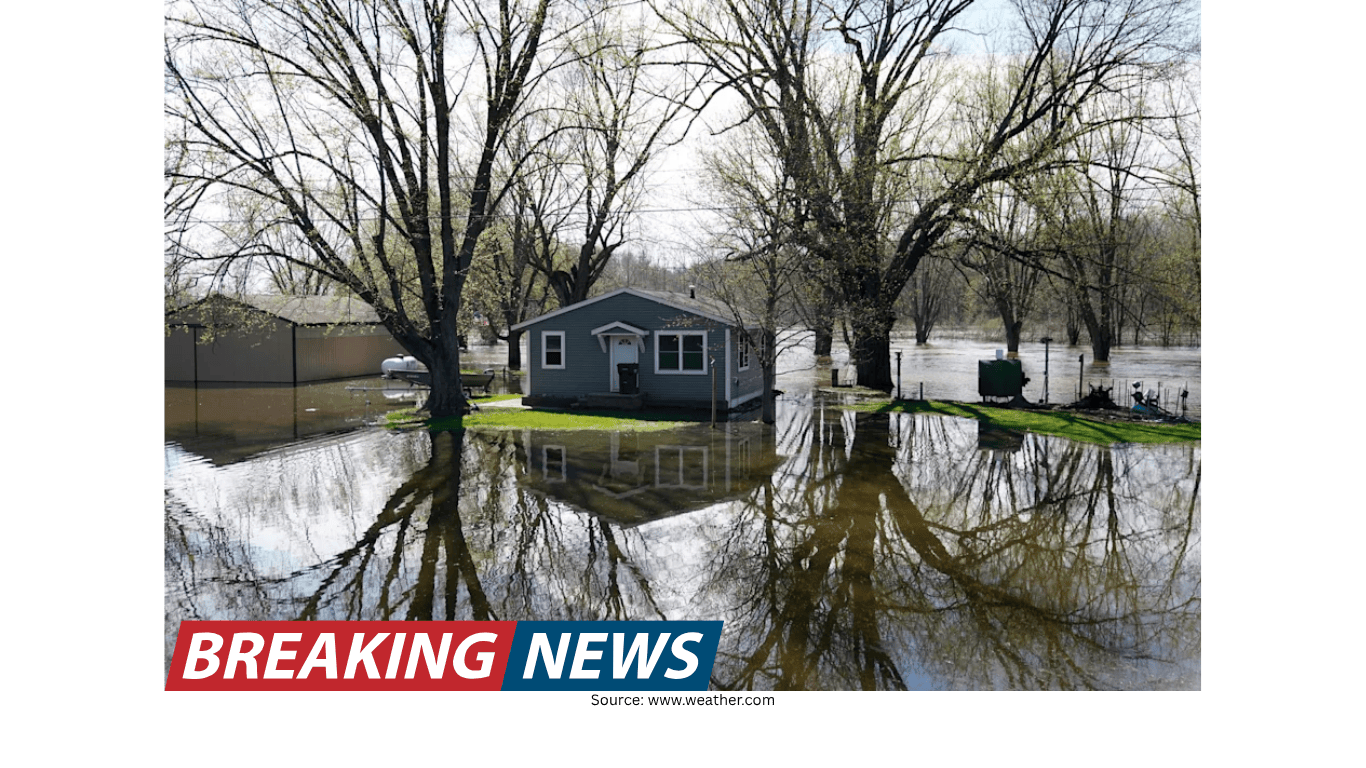
A severe combination: flooding and ice damage
Videos from Cheboygan County, Michigan depict a damaging sequence of events that has left residents and property owners confronting two different hazards at once: flooding that has swamped homes and vacation cabins, and dramatic ice-related destruction along Black Lake. The images described in the footage are both heartbreaking and difficult to process, not only because of the scale of the damage but also because of the unusual way it is unfolding—water inundation paired with ice sheets that appear to have pierced through homes.
In the material shared, flooding is shown spreading across the county, reaching into residential areas and affecting properties that include vacation cabins. Along Black Lake, the destruction is characterized as surreal: ice sheets are described as forcing their way into structures, leaving behind scenes that look less like routine storm damage and more like something sudden and forceful.
What is happening in Cheboygan County
The videos focus on flooding across Cheboygan County that has swamped homes and cabins. Flooding of this kind can turn everyday spaces into hazard zones quickly—yards and access roads can become impassable, and the boundary between land and water can disappear. In the footage described, the flooding is not limited to minor pooling; it is significant enough to be described as swamping properties.
For many communities in northern Michigan, homes and vacation cabins are often built near water for access and views. When flooding spreads, those same advantages can become vulnerabilities. The scenes presented show the consequences when water levels rise and move into places that are normally dry, affecting the structures themselves and the ability of owners to reach and assess their properties safely.
Destruction along Black Lake: ice sheets piercing structures
While flooding alone can be devastating, the videos emphasize a second element that sets this event apart: the destruction along Black Lake involving ice sheets. The damage is described as almost unbelievable, with ice sheets piercing through homes. That description suggests direct contact between large, rigid ice and the built environment, with enough force to break into structures rather than simply accumulate around them.
In lakeside settings, ice can be a seasonal presence, but the footage described points to something more disruptive—ice that is not merely sitting on the water, but interacting with buildings in a destructive way. The result, as portrayed, is a pattern of damage that appears abrupt and severe, leaving behind homes that are no longer intact in the way their owners last knew them.
The phrase used to describe the Black Lake damage—surreal—captures the disorienting nature of seeing ice behave like a moving, penetrating force. In the context of flooding, the combination can also complicate response and recovery, because the hazards are not only water-related but also structural, with physical debris and unstable building conditions implied by the accounts.
Families learning about losses through social media
Beyond the physical destruction, the videos highlight an emotional and modern dimension of disaster: families finding out that their homes have been obliterated over social media. Instead of learning about damage through an in-person visit, a phone call, or an official notice, people are seeing images and clips online and realizing that the places they own—or the places tied to their memories—may be gone or severely damaged.
That experience can add a layer of shock. Social media often delivers information quickly and without context, and the first view of a damaged home may arrive in a short clip or a photo shared by someone else. In this case, the videos describe families discovering the extent of destruction in that way, underscoring how rapidly information travels during extreme weather—and how suddenly it can change what people believe is happening at their property.
Record weather and the flooding
The videos connect the flooding to record weather. While the footage does not provide detailed measurements in the provided description, the reference to record conditions signals that the weather contributing to the flooding is unusual in its scale or intensity. When weather reaches record levels, it can overwhelm typical expectations and planning assumptions, especially in areas where residents may be accustomed to seasonal changes but not to extremes that push beyond prior benchmarks.
Record weather can also change the timing and interaction of hazards. In this case, the event includes both flooding and ice-related destruction, and the description suggests that the broader weather pattern is a key driver of the flooding. The combination of these elements is central to understanding why the damage appears so extensive and why the scenes along Black Lake stand out as particularly difficult to comprehend.
What the videos emphasize
The footage is presented as a way to both see the destruction and learn about the record weather causing the flooding. The visual element matters here: flooding and ice damage can be described in words, but videos can convey the scale, the texture of damage, and the way water and ice interact with buildings in a way that written summaries often cannot. The description indicates that the images are striking enough to be considered almost unbelievable, suggesting that the visuals play a major role in communicating the severity.
Several themes emerge from the way the event is described:
Widespread flooding across Cheboygan County that has reached homes and vacation cabins.
Unusual ice impacts along Black Lake, where ice sheets are described as piercing through homes.
Sudden awareness for some families, who are discovering the destruction through social media.
Record weather conditions linked to the flooding, indicating an extreme event rather than a routine seasonal fluctuation.
Why the combination can be so damaging
The event described in Cheboygan County is notable because it is not a single, straightforward hazard. Flooding can damage foundations, interiors, and utilities, and it can also isolate properties by cutting off access. Ice, when it becomes destructive, can create direct structural impacts that resemble collision damage—breaking, puncturing, or forcing entry into parts of a building.
When both are present, the overall risk can increase. Floodwater can surround structures while ice creates additional points of failure. Even without detailed technical information in the provided description, the reported outcomes—homes swamped by flooding and pierced by ice—illustrate how multiple forces can converge on the same communities and properties.
Community impact: homes and vacation cabins
The videos mention both homes and vacation cabins, indicating that the flooding is affecting primary residences as well as seasonal or recreational properties. That distinction matters because it can shape how and when people learn about damage. Owners of vacation cabins may not be on-site, and the description that families are learning about obliterated homes via social media suggests that some people are not physically present to witness events as they unfold.
At the same time, primary residences being swamped points to immediate disruption for people living in the area. Flooding that reaches homes can force rapid decisions and can create ongoing uncertainty as water levels change. The described destruction along Black Lake adds another dimension, especially for lakeside properties that may be near the ice activity.
What “obliterated” implies in the context of the videos
The description states that families are finding out their homes have been obliterated. In everyday language, that term implies destruction so extensive that the home is no longer recognizable as intact or livable. In the context of the footage described—flooding across the county and ice sheets piercing through homes—the word underscores the severity and the emotional weight of what people are seeing.
It also suggests that the damage is not limited to superficial impacts. When a home is described as obliterated, the implication is that recovery may involve major rebuilding rather than simple repairs. The videos, as described, appear to document scenes consistent with that level of loss.
The role of video in documenting extreme weather
Extreme weather events are often understood through a mix of firsthand accounts, official updates, and visual documentation. The material described here is explicitly video-based, inviting viewers to see what has happened in Cheboygan County and along Black Lake. That matters because the event includes elements—particularly the ice sheets piercing homes—that can be difficult to imagine without seeing evidence.
Video can also serve as a shared reference point for communities and for people who are not present. In this case, where families are learning about losses through social media, the same type of visual content may be part of how information spreads. The description suggests that the footage is not only informative but also emotionally challenging to watch, given the scale of destruction shown.
Key takeaways from the described event
Flooding across Cheboygan County, Michigan has swamped homes and vacation cabins.
Along Black Lake, ice-related destruction is described as surreal, with ice sheets piercing through homes.
Some families are discovering that their homes have been obliterated through social media posts and shared videos.
The flooding is linked in the description to record weather, suggesting unusually extreme conditions.
A moment that is difficult to absorb
The description of the videos repeatedly returns to the emotional impact: the images are described as heartbreaking and almost unbelievable. That reaction reflects not only the damage itself but also the way it is arriving—through screens, through shared clips, and through the realization that familiar places may have changed beyond recognition.
Flooding disasters often carry a sense of inevitability once water rises, but the addition of ice sheets piercing into homes introduces a more startling element. The result, as portrayed in the videos, is a scene that feels out of the ordinary even for those who are accustomed to winter conditions and lakeside living.
Looking at the event through the lens provided
Based on the provided description, the videos serve two purposes: documenting the destruction in Cheboygan County and explaining that record weather is contributing to the flooding. The combination of swamped homes, damaged vacation cabins, and ice-driven impacts along Black Lake creates a picture of a community facing layered hazards at the same time.
For viewers, the footage offers a direct look at what those hazards can mean on the ground. For affected families, it may represent the first confirmation of what has happened. And for anyone trying to understand the event, the central facts remain clear in the description: flooding is widespread in the county, ice damage along Black Lake is severe, and the conditions are tied to record weather.