
Early Outlook Suggests 2026 Atlantic Hurricane Season May Be Below Average
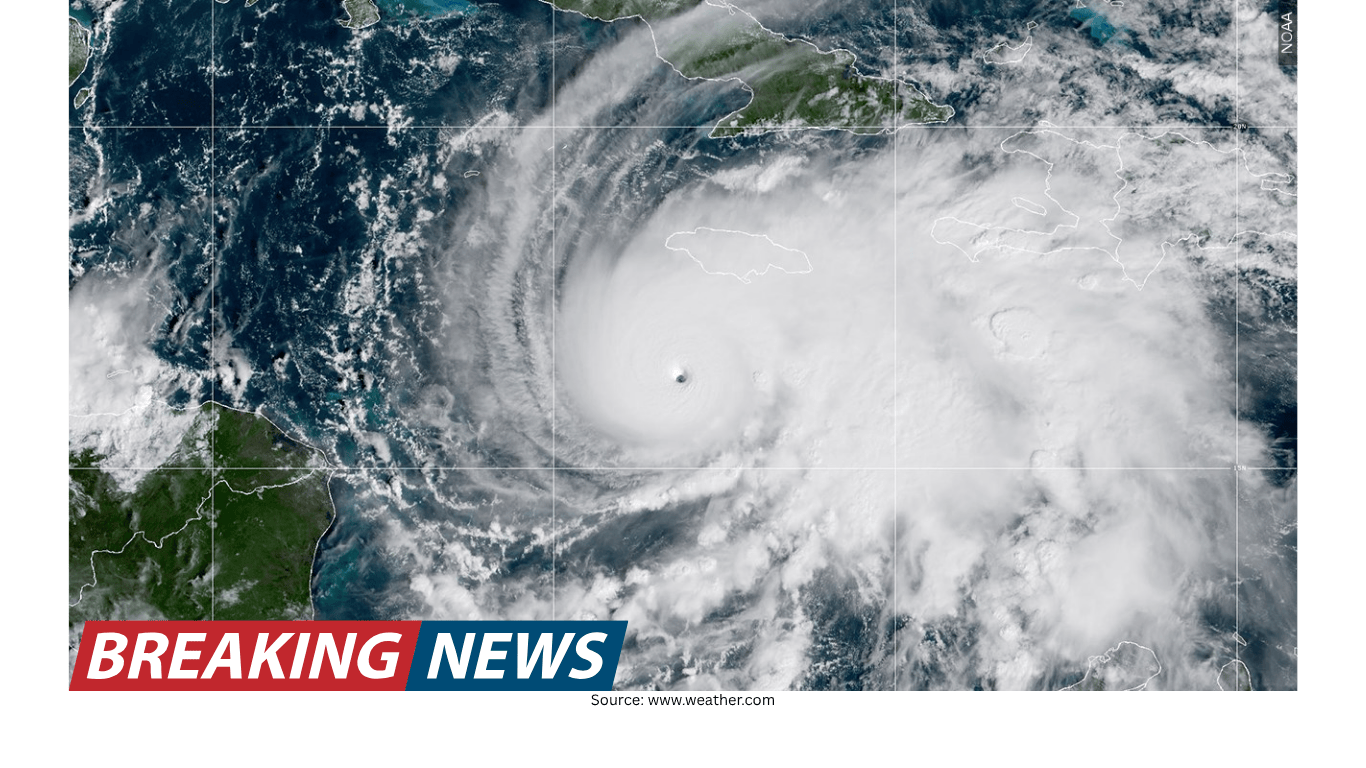
A new seasonal signal: below average, according to one forecast team
An early look at the 2026 Atlantic hurricane season is pointing toward a quieter-than-usual year, according to the latest forecast issued by The Weather Company and Atmospheric G2. In their most recent outlook, the team is calling for a below-average season, highlighting two primary drivers: El Niño conditions and Atlantic waters described as lukewarm.
Seasonal hurricane forecasts are not day-to-day weather predictions. Instead, they are broad assessments of how active a season may be, based on large-scale climate patterns and ocean conditions that can influence storm development and organization over time. While these outlooks are often updated as new data arrives, they can help frame expectations months in advance.
What the forecast is based on
The forecast team cited two factors as central to their below-average call for 2026: El Niño conditions and relatively lukewarm Atlantic waters. These are both commonly monitored signals in seasonal hurricane outlooks because they can affect the environment in which tropical systems form and intensify.
In this outlook, El Niño is presented as a major part of the reasoning. At the same time, the team points to Atlantic waters that are not especially warm—described as lukewarm—as another key ingredient supporting their expectation of fewer storms than average.
Even in a season projected to be less active overall, it is important to keep in mind what seasonal outlooks do and do not say. A below-average season does not mean no storms, and it does not specify where storms might track. It is a broad view of likely activity, not a guarantee of outcomes for any specific coastline or community.
Why El Niño and Atlantic water temperatures matter in outlooks
The forecast’s emphasis on El Niño and Atlantic sea-surface temperatures reflects how hurricane season projections are typically built: by weighing large-scale climate patterns that can shape the background conditions for tropical cyclone formation.
In this case, the reasoning is straightforward within the context of the outlook: El Niño conditions are cited as one of the key drivers, and Atlantic waters that are not especially warm are cited as another. Together, these signals are used to support the expectation that the overall number of storms and/or the season’s total activity could come in below the long-term average.
The outlook does not attempt to translate these factors into specific storm counts within the provided information. Instead, it presents them as the headline influences behind the below-average call.
How this compares with other outlooks
The forecast also raises a natural follow-up question: how does this projection compare to other hurricane-season outlooks that have been released? The discussion is framed as a comparison point, acknowledging that multiple organizations and forecasting groups often issue their own seasonal projections, sometimes with differences in emphasis, timing, and methodology.
Within the information provided, the key takeaway is that this forecast exists alongside other outlooks and invites comparison. However, specific details about what those other outlooks predict are not included here. That means the only defensible factual statement from the available material is that other outlooks have been released and that this forecast is being discussed in relation to them.
In practice, differences among outlooks can occur for many reasons, including the date the forecast is issued and the particular indicators a team prioritizes. But the only concrete point established in the provided content is that this outlook is one among several and is being evaluated in that broader context.
What a “below-average” season does—and does not—imply
Seasonal hurricane outlooks often use categories such as below average, near average, or above average to summarize expected activity. The forecast described here falls into the below-average category. That label can be useful for communicating a general expectation, but it can also be misunderstood if taken to mean that impacts are unlikely.
A quieter season in terms of overall storm numbers can still produce significant impacts if storms make landfall or track near populated areas. Conversely, an active season can have limited land impacts if storms remain mostly over open water. The outlook described here speaks to expected overall activity, not to landfall certainty or local risk at any one location.
For that reason, the most practical interpretation of a below-average outlook is not complacency, but context: it suggests that the large-scale climate backdrop may be less supportive of widespread or frequent tropical development than in a more active year.
The role of forecast updates as the season approaches
Hurricane-season forecasting is iterative. Early outlooks are often revised as the season nears and as ocean temperatures, atmospheric patterns, and other climate signals become clearer. The forecast described here is presented as the latest outlook from the team, implying that it is part of an ongoing process rather than a one-time declaration.
Because the key drivers cited—El Niño conditions and Atlantic water temperatures—can evolve over time, the expectation of a below-average season may also be revisited in later updates, depending on how those factors develop.
This is one reason seasonal outlooks are best used as planning tools rather than definitive predictions. They can help set a baseline expectation, but they are not a substitute for in-season monitoring and preparedness.
What viewers are being told in the forecast breakdown
The forecast details are presented in a segment in which meteorologist Caitlin Kaiser breaks down the outlook. The segment focuses on the forecast team’s reasoning and highlights the two key drivers: El Niño conditions and lukewarm Atlantic waters.
The framing also signals that the outlook is being placed in a broader landscape of seasonal projections, prompting viewers to consider how this call aligns with or differs from other outlooks already released.
Key points from the outlook
The Weather Company and Atmospheric G2 are calling for a below-average 2026 Atlantic hurricane season.
The forecast team cites El Niño conditions as one of the primary drivers behind the outlook.
The team also points to Atlantic waters described as lukewarm as another key factor.
The outlook is discussed in the context of other seasonal projections that have been released, though those other outlooks are not detailed in the provided information.
Meteorologist Caitlin Kaiser presents a breakdown of the forecast and its reasoning.
How to use this kind of forecast responsibly
With any seasonal hurricane outlook, the most responsible approach is to treat it as a high-level guide to the climate backdrop rather than a precise prediction of what will happen. The outlook described here provides a clear headline—below average—and offers two specific reasons for that expectation: El Niño conditions and lukewarm Atlantic waters.
For readers, the value lies in understanding what forecasters are watching and why. When the season is still months away, these large-scale signals can offer an early sense of whether conditions may be more or less favorable for tropical activity across the Atlantic basin.
At the same time, the existence of other outlooks—and the fact that this forecast is explicitly compared against them—underscores that seasonal forecasting is not a single, unified message. It is a field where multiple teams interpret evolving signals, sometimes arriving at different conclusions, especially early on.
Bottom line
The latest forecast from The Weather Company and Atmospheric G2 suggests the 2026 Atlantic hurricane season could come in below average, with El Niño conditions and lukewarm Atlantic waters identified as the main drivers. The outlook is also framed against other seasonal projections that have already been released, highlighting the broader conversation that typically accompanies hurricane-season forecasting.
As the season approaches, these outlooks are often revisited and refined. For now, the forecast offers an early, climate-signal-based expectation of reduced activity—paired with a reminder that even in a less active season, monitoring and preparedness remain essential components of hurricane safety.