
Severe Thunderstorms Spawn Tornadoes in Iowa, Oklahoma and Wisconsin; Union Center Hit Hard
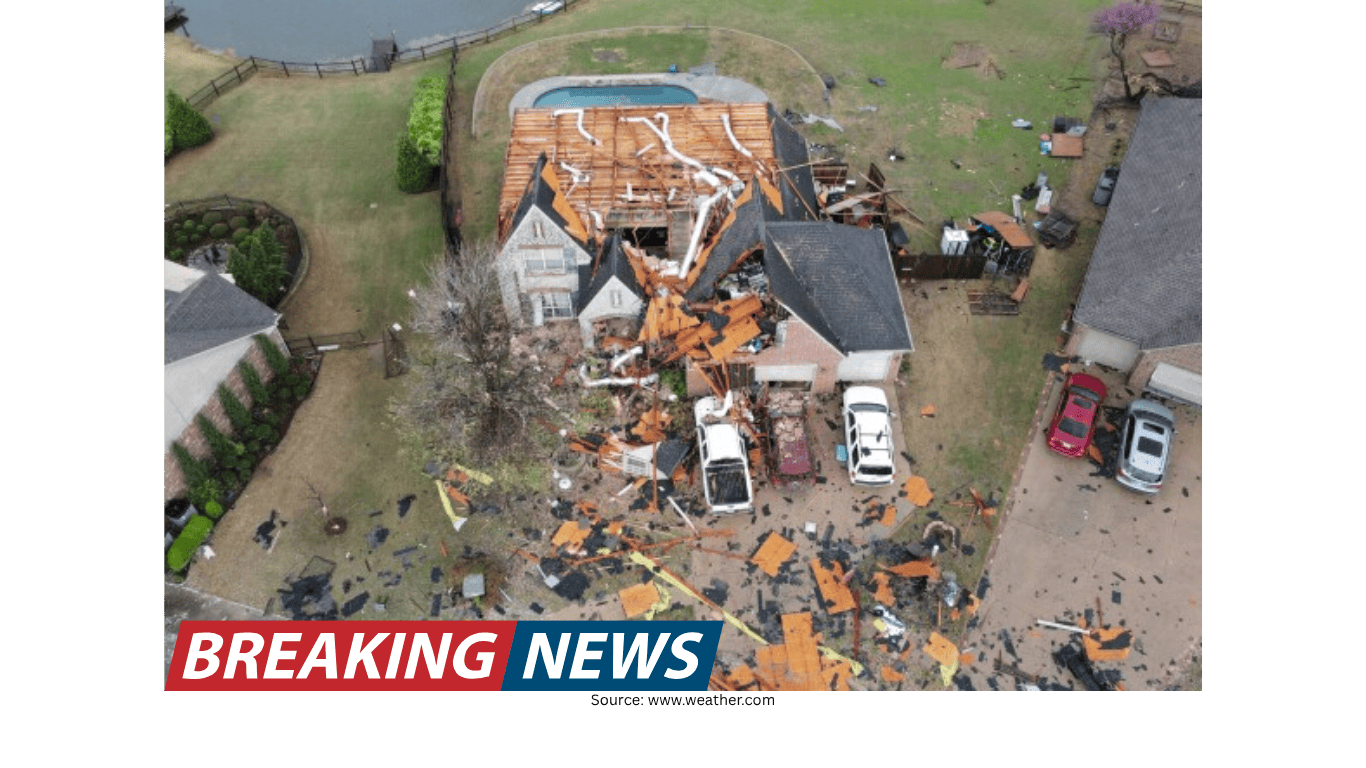
A second day of severe storms brings renewed tornado risk
A second consecutive day of severe thunderstorms delivered a fresh round of dangerous weather across parts of the central United States, with tornadoes reported in Iowa, Oklahoma and Wisconsin. The repeat nature of the threat—storms returning after a prior day of severe activity—underscored how quickly conditions can re-intensify when the atmosphere remains primed for violent thunderstorms.
While severe thunderstorms can bring a range of hazards, tornadoes represent one of the most destructive outcomes when rotating storms develop. In this latest round, the impacts were not limited to one state or one community. Instead, multiple areas across the region experienced tornado activity, reflecting a broader pattern of severe weather rather than an isolated event.
Tornadoes reported in Iowa, Oklahoma and Wisconsin
During this second day of severe thunderstorms, tornadoes occurred across three states: Iowa, Oklahoma and Wisconsin. Each of these states has a history of severe convective storms, but the key detail in this event is the multi-state nature of the tornado reports occurring within the same overall period of storm activity.
When tornadoes are reported across multiple states during a single outbreak or multi-day severe weather episode, it often means that the ingredients needed for rotating thunderstorms—such as instability and wind patterns supportive of storm organization—are present over a large geographic area. The result can be a sequence of storms that repeatedly produce damaging weather as they track across communities.
Union Center, Wisconsin: a powerful tornado flattens homes
Among the tornadoes reported, one of the most severe impacts occurred in Wisconsin. A powerful tornado tore through the town of Union Center, where it flattened homes. The description of homes being “flattened” indicates significant structural damage and highlights the intensity of the tornado’s effects on the built environment.
In tornado events, damage can vary dramatically even over short distances. Some structures may suffer roof loss or broken windows, while others can be reduced to debris. In Union Center, the tornado’s path included residential areas, and the outcome—homes flattened—points to a particularly destructive encounter for those directly in the storm’s track.
For a small town, the impacts of a tornado that damages or destroys homes can be especially profound. Housing loss, debris cleanup and the disruption of daily life can affect residents long after the storm has passed. Even when the broader severe weather episode spans multiple states, the experience at the neighborhood level is intensely local, shaped by where the tornado touches down and what it strikes.
What the event shows about multi-day severe weather
This episode was notable not only for the tornadoes themselves, but also for the timing: it arrived on a second day of severe thunderstorms. Multi-day severe weather stretches can present added challenges because they require sustained awareness and readiness. When storms occur on consecutive days, communities may still be assessing damage from the first round when the next round arrives.
Consecutive days of severe storms can also complicate response and recovery. Cleanup efforts may be interrupted by new warnings or hazardous weather. People may be forced to take shelter again, even as they are dealing with damage or power disruptions from earlier storms. The fact that this event produced tornadoes across Iowa, Oklahoma and Wisconsin illustrates how widespread the overall storm environment was during this period.
Video documentation captures the scale of the damage
Video from the severe weather event highlighted the destruction, including the tornado that struck Union Center. Visual documentation can play a crucial role in communicating the seriousness of tornado impacts, especially for audiences who are not in the affected area. It can also help convey the difference between routine thunderstorm damage and the more extreme destruction that tornadoes can produce.
In the case of Union Center, video coverage focused attention on the tornado’s aftermath and the extent of damage to homes. Such footage can be important for situational awareness, allowing viewers to understand what “flattening” looks like in practical terms: collapsed structures, scattered debris and neighborhoods altered in minutes.
Key takeaways from the outbreak
- A second day of severe thunderstorms led to a new round of tornadoes.
- Tornadoes were reported in Iowa, Oklahoma and Wisconsin during this period.
- One powerful tornado tore through Union Center, Wisconsin, flattening homes.
- Video coverage documented the storm damage and the severity of the impacts.
Why these storms matter beyond the immediate headlines
Severe weather stories often focus on the most dramatic moments—tornado touchdowns, debris fields and damaged buildings. Yet events like this also serve as reminders of how quickly conditions can shift from typical thunderstorms to life-altering disasters. The same system that brings lightning and heavy rain can, under the right circumstances, produce tornadoes capable of flattening homes.
The multi-state spread of tornado reports across Iowa, Oklahoma and Wisconsin also emphasizes that severe weather preparedness is not limited to one corridor or one region on any given day. When storms are widespread, multiple communities may face risks at the same time, and the most significant damage may occur where a powerful tornado intersects with populated areas.
For Union Center, the tornado’s impact was direct and destructive. For the wider region, the second day of severe thunderstorms reinforced a broader lesson: severe weather can persist, repeat and escalate, even after an initial round of storms has already passed.
Staying alert during repeated rounds of severe weather
Although the details available here focus on the tornado reports and the damage in Union Center, the overall context—severe thunderstorms returning for a second day—highlights the importance of continued vigilance during prolonged severe weather patterns. When storms occur over multiple days, it can be easy to become fatigued by alerts or assume the worst has passed after the first round. This event showed that another round of tornadoes can follow.
In practical terms, repeated severe weather days can mean maintaining awareness of changing conditions and being ready to respond quickly if tornadoes develop again. The tornado that flattened homes in Union Center stands as the starkest example of what can happen when a powerful twister moves through a community.
A community-level view of tornado impacts
Behind every report of a tornado is a community dealing with the aftermath. In Union Center, the tornado did not merely cause scattered damage; it flattened homes. That phrase alone signals a high level of destruction, one that can displace residents and reshape a town’s landscape.
Even as tornadoes also occurred in Iowa and Oklahoma, the Union Center tornado drew attention because of the severity of its impact on housing. Homes represent safety and stability; when they are flattened, the consequences extend beyond property loss to the disruption of routines, the need for temporary shelter and the long process of rebuilding.
This event, spanning multiple states and occurring on a second day of severe thunderstorms, illustrates the broad reach and concentrated force of tornado-producing storms. It also shows why video documentation of storm damage can be so compelling: it provides immediate, concrete evidence of what severe weather can do.
Summary
A second day of severe thunderstorms produced another round of tornadoes across Iowa, Oklahoma and Wisconsin. Among the most damaging incidents, a powerful tornado tore through Union Center, Wisconsin, flattening homes. Video coverage captured the aftermath, offering a clear view of the destruction and reinforcing the reality that severe weather can persist across multiple days and affect multiple states in a single stretch of storms.