
Tornado Tears Through Rochester Hillsides, Leaving Homes Damaged and Trees Snapped
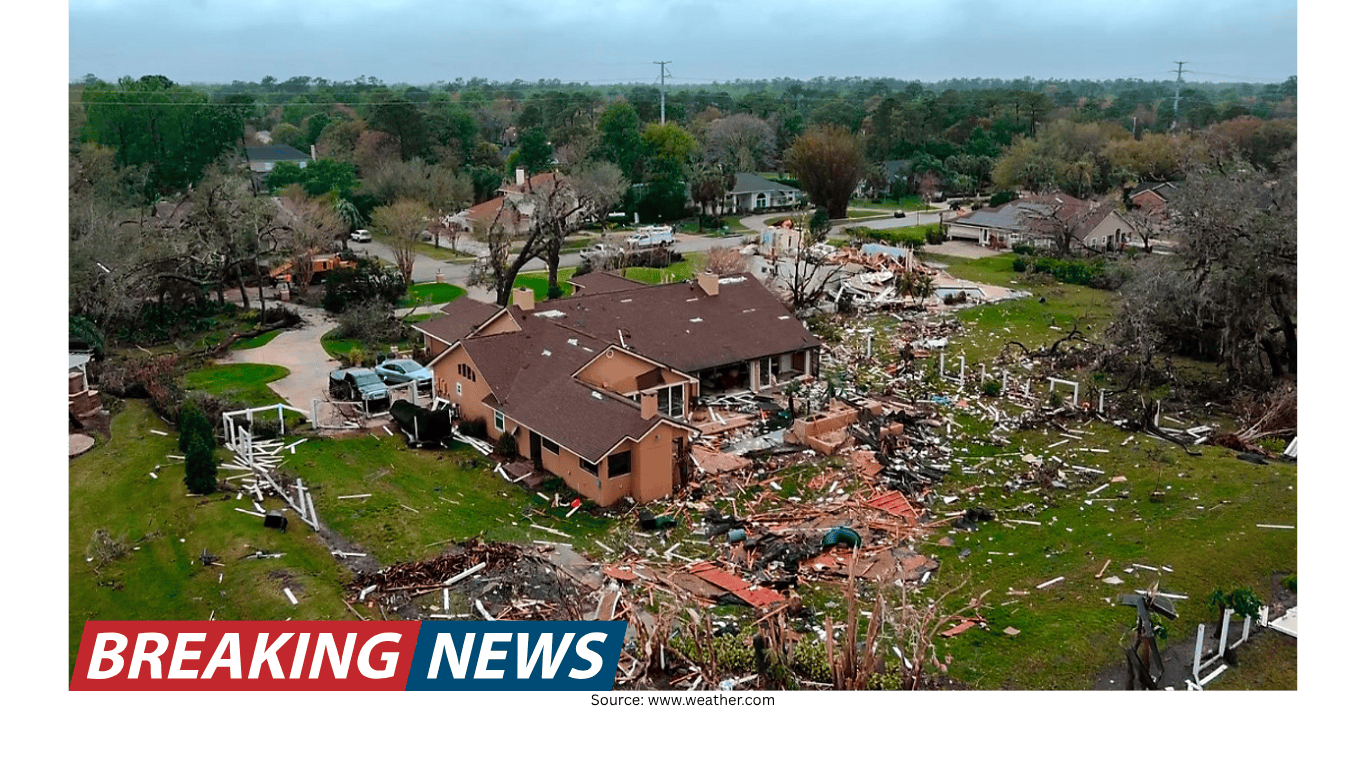
A tornado strikes Rochester’s hillside neighborhoods
A devastating tornado tore through the hillsides of Rochester, Minnesota, leaving a visible trail of destruction across residential areas. In the aftermath, residents faced damaged homes, debris-strewn yards and streets, and widespread tree loss. The storm’s path cut through communities on the hillsides, where the impacts were apparent in both structural damage and the sheer volume of downed and broken vegetation.
As the tornado moved through Rochester, it carved a destructive corridor that residents are now working to understand—house by house, block by block. The immediate picture is one of severe disruption: homes damaged in ways that can change daily life in an instant, and neighborhoods transformed by snapped trees and scattered debris.
Video captures the scale of the damage
Video footage captured at 1:05 PM documented the tornado’s aftermath and the extent of the destruction. The images show multiple homes with roofs completely ripped off. In some cases, the damage went beyond roofing, with partial second levels destroyed. These are not superficial impacts; they indicate powerful winds capable of removing major structural components and exposing interiors to the elements.
The footage also shows countless trees snapped “like toothpicks” across residential neighborhoods. That description reflects the force involved and the breadth of damage across the landscape. Trees that often serve as neighborhood fixtures—providing shade, privacy, and a sense of permanence—were left broken, toppled, or splintered, adding to the hazards and cleanup challenges for residents.
In scenes like these, the damage is not limited to one property. Roof material, insulation, and other debris can be seen scattered across yards and streets, underscoring how tornado impacts can spread well beyond a single structure. The tornado’s movement through the area left behind a patchwork of destruction that residents are now confronting.
Homes hit hard: roofs removed and upper floors damaged
Among the most striking details in the aftermath are the homes with roofs completely ripped off. A roof is a home’s primary barrier against weather; when it is removed, the structure becomes immediately vulnerable. The loss of roofing can also lead to additional damage inside, as wind and debris enter the building and rain exposure becomes a concern.
In addition to roofs, the video shows partial second levels destroyed on some homes. Damage of this kind suggests intense wind forces and a direct hit along the tornado’s path. For homeowners, this level of destruction can mean not only significant repair work, but also the need to secure the property quickly to prevent further deterioration and to keep the area safe.
Across the affected hillside neighborhoods, the damage appears to vary by location, consistent with the way tornadoes can create uneven patterns of impact. Some homes may show catastrophic structural loss, while nearby properties may have less visible damage. Even so, the overall picture in Rochester is one of extensive harm to homes and properties in the tornado’s path.
Trees snapped and debris scattered across neighborhoods
The tornado’s impact on Rochester’s tree cover is described as extensive, with countless trees snapped across residential neighborhoods. Broken trees can block roads, damage vehicles, and create dangerous conditions for people moving through the area. They can also complicate access for emergency crews, especially in hillside neighborhoods where streets and driveways may already be more constrained.
Debris scattered across yards and streets is another hallmark of the storm’s passage. After a tornado, debris can include fragments of roofing and siding, insulation, broken branches, and other materials pulled loose by the winds. In residential areas, that debris can quickly spread, crossing property lines and creating cleanup needs that extend beyond any single household.
For residents, the combination of snapped trees and scattered debris changes the immediate environment. Familiar routes may be obstructed, outdoor spaces may be unsafe, and the simple act of stepping outside can require caution. The storm’s effects are not only structural but also practical, altering how people move through their neighborhoods and begin recovery efforts.
Residents begin assessing damage to homes and property
In the wake of the tornado, residents are now assessing the extensive damage to homes and properties throughout the affected hillside neighborhoods. This early stage of recovery often involves a careful look at what has been lost or compromised—roofs, upper levels, windows, exterior walls, and the surrounding grounds. It also includes identifying hazards such as unstable trees, sharp debris, and damaged building materials.
Damage assessment is not only about measuring the visible destruction. It is also about understanding what needs immediate attention to stabilize a property and prevent additional harm. With roofs removed and parts of structures damaged, homeowners may need to focus on securing openings and keeping the area safe while longer-term repairs are planned.
The presence of debris across yards and streets also means that residents’ assessments extend beyond their own homes. Neighborhood conditions—blocked paths, downed trees, and scattered materials—become part of the overall picture. In a hillside setting, where terrain can affect drainage and access, the impacts of debris and fallen trees can be especially disruptive.
Emergency crews respond and survey the destruction
Emergency crews are on scene surveying the destruction and checking on residents in the tornado’s path. Their work includes evaluating the damage across impacted areas and ensuring that people are accounted for and safe. In neighborhoods with heavy debris and structural damage, this response is essential to identify immediate risks and to coordinate next steps.
Surveying destruction in a tornado-affected area can involve moving through streets with scattered debris and navigating around downed trees. It can also include checking homes that have suffered major damage—such as those with roofs ripped off or partial second levels destroyed—to determine whether residents need assistance and whether structures pose any immediate danger.
As crews check on residents, the focus is on safety and situational awareness. In the immediate aftermath of a tornado, conditions can change quickly, and hazards may not be obvious at first glance. The combination of structural damage, debris, and broken trees can create unstable environments that require careful, coordinated response.
What the storm’s path looked like on the ground
Descriptions from the scene emphasize that the tornado “carved a destructive path” through Rochester’s communities. On the ground, that path is reflected in the concentration of damage: homes with severe structural loss, clusters of snapped trees, and debris distributed across residential streets and yards. The tornado’s movement through the area left a distinct footprint that residents and crews are now tracing as they assess impacts.
The hillside setting adds another layer to the scene. Hillside neighborhoods can present unique challenges in the aftermath of a severe storm, particularly when debris and downed trees affect access. Even when damage is concentrated in certain blocks, the effects can ripple outward, as debris travels and streets become obstructed.
As residents look across their neighborhoods, the storm’s path becomes a shared experience—one that is visible in the altered skyline where roofs once sat intact, in the gaps where trees once stood, and in the scattered materials now lying across lawns and pavement. The immediate environment is changed, and the process of recovery begins with understanding the scope of what happened.
Key observed impacts from the Rochester tornado
A tornado tore through hillside areas of Rochester, Minnesota, leaving extensive visible damage.
Video captured at 1:05 PM showed multiple homes with roofs completely ripped off.
Some homes sustained damage to upper portions, with partial second levels destroyed.
Countless trees were snapped across residential neighborhoods.
Debris was scattered across yards and streets as the tornado moved through communities.
Residents began assessing damage to homes and properties in the affected hillside neighborhoods.
Emergency crews responded on scene to survey destruction and check on residents in the tornado’s path.
A community confronting the aftermath
With emergency crews surveying the damage and residents assessing their homes and properties, Rochester’s hillside neighborhoods entered the difficult phase that follows a destructive tornado. The images described—roofs removed, upper levels damaged, trees snapped, and debris scattered—capture a moment when the immediate danger has passed but the scale of disruption becomes fully visible.
In practical terms, the aftermath is defined by what can be seen on the streets: debris spread across neighborhoods and homes bearing the marks of intense wind. For residents, the next steps begin with evaluation and safety, while crews focus on checking on people and understanding the full extent of the destruction along the tornado’s path.
The tornado’s passage through Rochester left more than isolated damage. It reshaped portions of the community’s landscape, affecting multiple homes and streets at once. As assessments continue and crews remain on scene, the focus stays on documenting impacts, ensuring residents are safe, and beginning the long process of recovery in the neighborhoods most directly hit.