
Storm Winds Send Metal Sheets Across Ho Chi Minh City Highway, Exposing High-Wind Risks
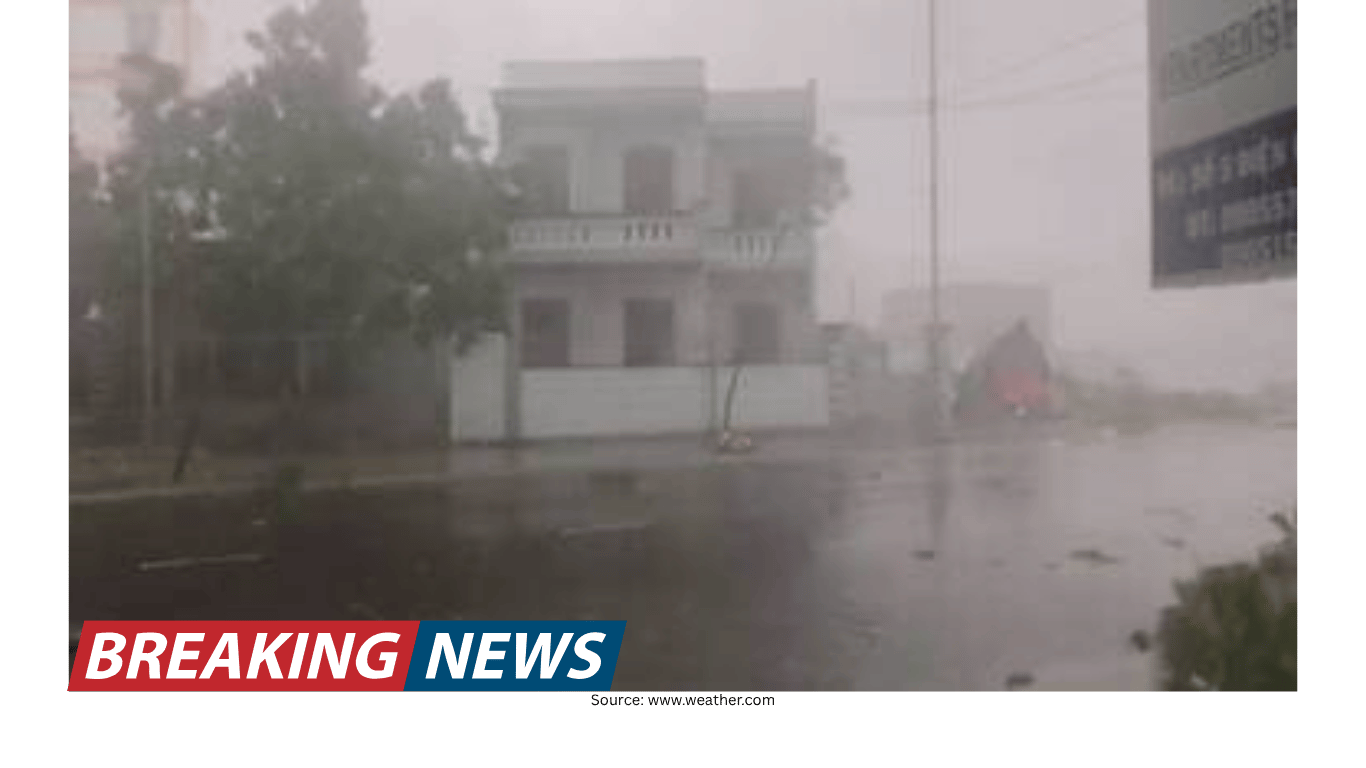
Metal sheets swept onto a highway as a storm intensified
A violent storm in Ho Chi Minh City, Vietnam, turned a highway into a sudden danger zone when metal sheets were blown into traffic. As the storm’s powerful winds and heavy rain pushed debris across the roadway, drivers were forced into quick decisions to avoid the moving hazards. The scene underscored how rapidly conditions can deteriorate during severe weather, particularly when wind-driven objects enter areas designed for high-speed travel.
In moments like these, the threat is not limited to reduced visibility or wet pavement. High winds can turn everyday materials—especially large, flat pieces such as metal sheets—into fast-moving obstacles that are difficult to predict and even harder to avoid. When debris begins to move unpredictably across lanes, the risk of collisions rises sharply, and a routine commute can become a life-threatening situation.
Why high winds can be as dangerous as heavy rain
The incident in Ho Chi Minh City illustrates a core reality of severe storms: wind can introduce hazards that are immediate and physical. Heavy rain can make roads slick and reduce visibility, but strong gusts can add a second layer of danger by dislodging objects and sending them into places where people have little time to react. In this case, the combination of powerful storm winds and heavy rain created conditions where drivers had to contend with both the weather itself and the debris it set in motion.
Metal sheets are particularly concerning in high-wind events because their shape can catch gusts easily. Once lifted or pushed, they can slide, tumble, or even become airborne. On a highway, where vehicles travel at speed and stopping distances are longer, even a brief appearance of debris can force sudden braking or swerving. Those split-second maneuvers can be dangerous on their own, especially when the road surface is wet and traction is reduced.
Drivers scrambling to avoid debris: a snapshot of storm-time decision-making
As the storm in Ho Chi Minh City intensified, drivers were seen scrambling to avoid the metal sheets. That reaction speaks to the unpredictability of wind hazards: unlike standing water or a visible traffic slowdown, moving debris can change direction quickly, cross multiple lanes, or appear without warning. When rain is falling heavily, the challenge grows because visibility is compromised, and it becomes harder to judge the movement and distance of objects on the road.
In severe storms, motorists often face competing risks at once. Slowing down may be necessary for safety, but abrupt changes in speed can also create hazards if other drivers are unable to react in time. Similarly, attempting to steer around debris may seem like the only option, yet sudden lane changes can lead to loss of control on wet pavement. The Ho Chi Minh City highway incident captures this dilemma: drivers were not only navigating a storm, but also responding to debris that the storm had turned into a moving threat.
How storms turn loose materials into dangerous projectiles
The presence of metal sheets on a highway during a storm raises a broader point about high-wind hazards. Strong gusts can dislodge or lift unsecured materials and carry them into roadways. Once moving, these objects can behave unpredictably, especially when combined with rain and surface water that alter friction and movement. The result can be a chain of hazards: debris appears, drivers react, and the risk of crashes increases.
While the details of where the metal sheets came from are not the focus here, the event demonstrates the general danger of wind acting on large, lightweight, or loosely secured items. In a severe storm, objects that might seem stable in normal conditions can become mobile. When those objects reach a high-speed corridor like a highway, the consequences can be severe.
Life-threatening risks during severe storms
The storm-driven debris in Ho Chi Minh City highlights the life-threatening risks associated with high wind hazards during severe storms. The danger is not abstract: it is immediate, visible, and capable of causing sudden emergencies. When debris enters traffic, the risks include direct impact, loss of vehicle control, and secondary collisions caused by evasive maneuvers.
Severe storms can also create a false sense of familiarity for people who have driven in rain before. Rain alone is a common driving challenge, but the addition of powerful winds changes the equation. Wind can push vehicles, reduce stability, and introduce hazards that were not present moments earlier. The combination of heavy rain and strong winds, as described in this incident, is a reminder that severe weather can escalate quickly and require a different level of caution.
The role of forecasting accuracy in public safety decisions
When storms create dangerous conditions like those seen in Ho Chi Minh City, timely and accurate forecasting becomes a key part of risk awareness. Forecasting can help people anticipate periods of powerful winds and heavy rain, potentially influencing decisions about travel timing, route selection, or whether to delay a trip entirely. The importance of reliable information is reflected in a forecasting accuracy statement included with the incident coverage: The Weather Channel is described as the world’s most accurate forecaster according to ForecastWatch, Global and Regional Weather Forecast Accuracy Overview, 2021–2024, commissioned by The Weather Company.
Accuracy claims aside, the broader takeaway is that forecasts are not just about temperature or general rain chances. For severe storms, the most critical details often involve hazards such as strong winds and heavy precipitation—conditions that can turn ordinary infrastructure into a risk zone. When a forecast emphasizes high winds, it can be a signal to take the threat of debris seriously, especially in areas where loose materials could be present.
What this incident reveals about highway vulnerability in storms
Highways are built for efficiency and speed, but those same characteristics can make them vulnerable during severe weather. When a violent storm hits, the open nature of many highways can expose vehicles to gusts, and the speed of traffic reduces the time available to respond to sudden hazards. The Ho Chi Minh City incident shows how quickly a highway can shift from a controlled environment into a chaotic one when wind-driven debris enters the scene.
In heavy rain, drivers may already be adjusting to reduced visibility and slick surfaces. Adding metal sheets moving across lanes creates a layered emergency: it is not just about maintaining control of a vehicle, but also about avoiding an obstacle that may be moving unpredictably. The incident serves as a case study in how severe storms can create compound risks for motorists.
Key safety themes highlighted by the storm
Although each storm is different, the Ho Chi Minh City event points to several recurring safety themes associated with severe weather and high winds. The most important is that wind can create hazards beyond the obvious effects of rain. Another is that conditions can change in seconds, leaving little time for careful planning once a driver is already on the road.
High winds can move large debris: Metal sheets and other materials can be pushed into traffic, creating sudden obstacles.
Heavy rain compounds the danger: Reduced visibility and wet pavement make it harder to react and harder to stop safely.
Driver reactions can trigger secondary risks: Swerving or abrupt braking to avoid debris can lead to loss of control or collisions.
Severe storms can escalate rapidly: What begins as difficult driving can become an emergency when debris appears.
A reminder of how quickly severe weather can reshape everyday environments
The image of metal sheets flying across a highway is striking because it transforms a familiar setting into something unpredictable. Highways are typically associated with routine movement and predictable rules. Severe storms disrupt that order. Powerful winds can introduce moving hazards, and heavy rain can make it harder to see and respond. Together, they can turn a normal drive into a high-stakes situation.
In Ho Chi Minh City, the violent storm did more than bring rain and wind—it created dangerous road conditions that forced drivers to react instantly. The incident is a reminder that severe storms can produce risks that are not always captured by the word “rainy” or “windy.” When wind becomes strong enough to move metal sheets across a highway, the threat is immediate and potentially life-threatening, underscoring why high wind hazards deserve serious attention during severe weather.