
Weather of the World: March 29 — A Snapshot Tour of Weather in Motion
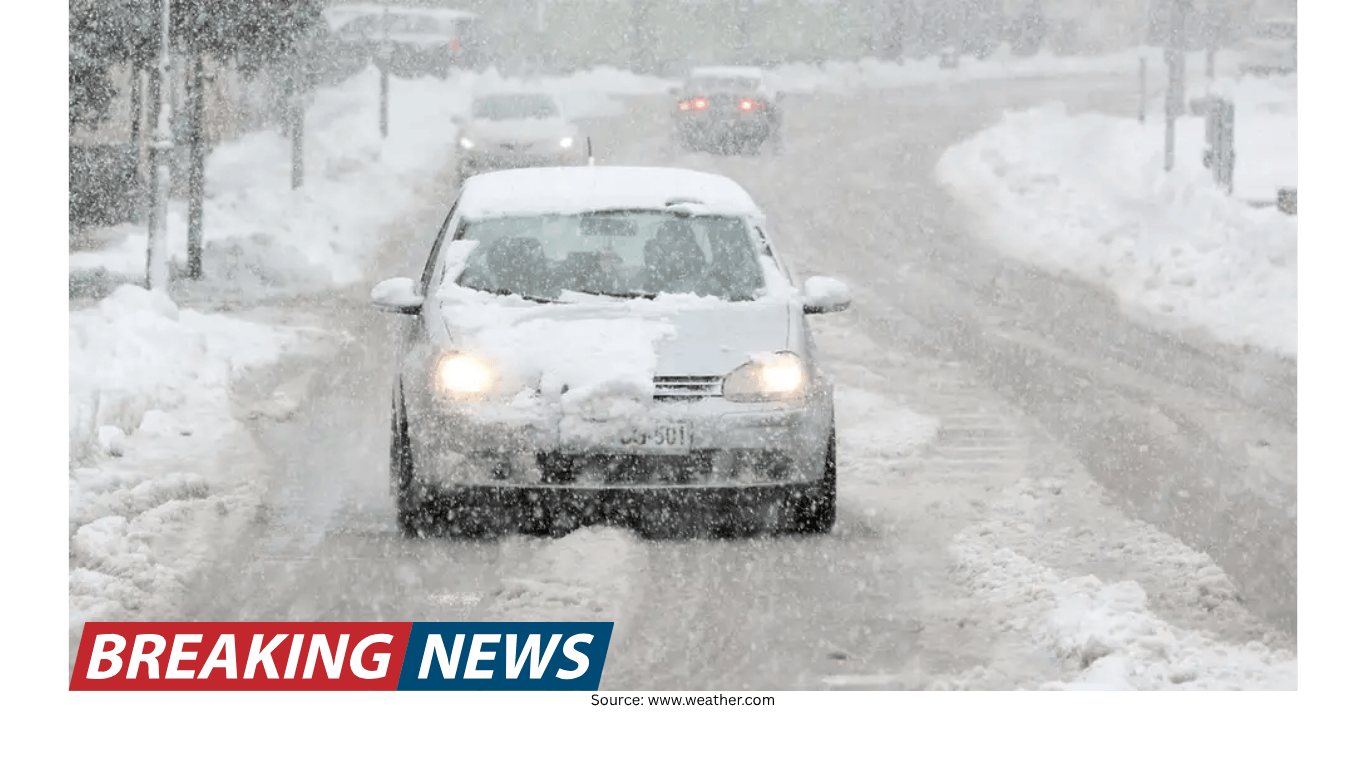
A weekly window into global weather
Weather can be described with numbers—temperatures, wind speeds, rainfall totals—but it is also something people experience visually and emotionally in real time. A weekly slideshow built around March 29 leans into that idea by inviting readers to “wander the world one snapshot at a time,” presenting “striking moments of weather in motion across the globe.”
Rather than focusing on a single forecast map or one country’s outlook, this kind of snapshot collection treats weather as a global story told through scenes: clouds building, rain falling, light shifting, and landscapes reacting. It is a simple concept with lasting appeal: a curated set of images that captures the many ways the atmosphere expresses itself across different regions, climates, and seasons.
Why weather snapshots matter
Forecasting is often about what comes next. A slideshow of global weather moments, by contrast, is about what is happening now—or what has just happened—frozen into a frame. The value is not only aesthetic. Images can make weather feel tangible, especially to people who are far from the place being shown.
For many readers, a global weather gallery provides a quick, intuitive understanding of variety: the same planet can show dramatically different conditions depending on location. Even without a detailed caption for every image, the concept of “weather in motion” suggests a focus on dynamic scenes—moments where the sky, water, and land are interacting in ways that are visible and memorable.
This matters because weather is both universal and local. Everyone lives under the same atmosphere, but few experience it in the same way at the same time. A collection that spans the globe helps bridge that gap, offering a reminder that weather is a shared system expressed through countless local stories.
March 29 as a seasonal checkpoint
Late March sits at an interesting point in the calendar. In many places, it is a period of transition—an in-between time when conditions can change quickly and contrasts can be sharp. That makes it a natural moment for a global roundup: the world is not moving in one uniform direction, and the atmosphere often reflects that complexity.
A March 29 slideshow does not need to declare a single theme to feel cohesive. The unifying thread is the act of looking—moving from one location to another, observing how weather appears in different settings, and appreciating the variety of forms it can take.
From forecasting to seeing: two ways of understanding weather
People usually encounter weather through forecasts: a prediction of rain, an alert about wind, a note about changing temperatures. That information is essential for planning and safety. But weather is also something people notice in the moment: the look of a storm line, the texture of fog, the brightness after a clearing sky.
A snapshot-based feature complements the forecast mindset by emphasizing observation. It does not replace the need for practical information; instead, it adds context. When you see weather depicted across the globe, you can better appreciate that the day-to-day conditions in one place are part of a much larger pattern of atmospheric activity.
In that sense, a slideshow becomes a visual form of weather literacy. It encourages people to pay attention to the sky and to recognize that weather is not only a set of data points but also a living, moving phenomenon.
What “weather in motion” can look like
The phrase “weather in motion” points to scenes where change is visible. Weather is always moving, but some moments make that movement easier to see—when clouds swirl, precipitation streaks across a view, or light and shadow shift rapidly over terrain.
In a global slideshow, the motion may be implied rather than literally animated. A still image can convey movement through:
Cloud structure that suggests rising air, turbulence, or fast-changing conditions.
Precipitation captured as streaks, curtains, or misty veils that show active weather.
Wind effects visible in water surfaces, vegetation, or blowing spray.
Light transitions that hint at clearing, approaching clouds, or shifting sun angles.
Scale—a wide scene that makes the atmosphere feel expansive and alive.
These details are part of what makes weather photography compelling. Even without a long explanation, the viewer can sense that the atmosphere is doing something active and immediate.
A travel mindset—without turning weather into a gimmick
The invitation to “wander the world” frames the slideshow as a kind of travel experience. That approach can be useful, especially for readers who enjoy exploring places through images. It also fits the reality that weather is one of the most defining features of any destination, shaping how a place looks and feels on a given day.
At the same time, a responsible presentation of weather imagery avoids sensationalism. “Striking moments” does not have to mean extreme events or dramatic danger; it can simply mean scenes that are visually powerful, unusual, or beautifully representative of a season.
In a neutral, AdSense-safe framing, the emphasis remains on observation and appreciation. The slideshow becomes a curated look at the atmosphere’s diversity rather than a collection designed to shock.
How readers can use a global weather slideshow
A weekly set of weather snapshots can be more than casual viewing. Depending on a reader’s interests, it can serve different purposes:
For travelers: a reminder that conditions can change quickly and that local weather shapes the experience of a place.
For photographers: inspiration for how light, cloud forms, and timing can transform a scene.
For weather enthusiasts: a visual catalog of atmospheric variety across regions.
For students and educators: a prompt for discussion about how weather appears in different environments.
For everyday readers: a quick way to feel connected to the wider world through a shared, universal experience.
The key is that a slideshow is accessible. It does not demand technical knowledge to be appreciated, yet it can still spark curiosity about the processes behind what is seen.
The storytelling power of a curated sequence
One image can be memorable; a sequence of images can become a narrative. A slideshow format naturally creates pacing: each frame is a new location, a new sky, a new mood. That structure turns weather into a kind of travelogue—one that moves quickly, crossing borders and climates with each click.
Curated sequences also shape interpretation. By selecting particular moments, the editor or curator highlights certain qualities—contrast, beauty, drama, calm, or transition. Even if the images come from many different places, the overall set can feel cohesive because it shares a point of view: weather as a visual experience worth pausing for.
Weather as a shared global language
Weather is one of the few topics that can connect people across cultures without much translation. Everyone understands the feeling of a changing sky, the relief of clearing conditions, or the way a landscape looks different under different light. A global slideshow draws on that shared understanding.
By presenting “moments of weather in motion across the globe,” the March 29 feature implicitly treats the atmosphere as a single system with many expressions. That view can encourage a broader perspective: the local weather outside your window is part of a planet-wide pattern of movement and change.
What makes a weather moment “striking”
“Striking” is a flexible word. In the context of a weather slideshow, it can refer to scenes that stand out for their composition, color, contrast, or timing. It can also mean moments that feel fleeting—conditions that might look entirely different minutes later.
Often, what makes a weather scene striking is the combination of the ordinary and the extraordinary. Clouds and rain are everyday phenomena, but the exact shape of a cloud deck, the angle of sunlight, or the way visibility changes can turn a familiar setting into something new.
This is part of why weather photography resonates: it captures an atmosphere that cannot be repeated in exactly the same way. The slideshow format acknowledges that ephemerality, presenting a set of moments that are, by nature, temporary.
A calm alternative to constant updates
Modern weather coverage often arrives as a stream of updates—alerts, radar loops, short posts, and rapidly changing models. Those tools are essential, but they can also feel relentless. A weekly slideshow offers a different rhythm.
Instead of asking readers to track every shift, it invites them to look back at what the week looked like in visual terms. It is a form of reflection: a chance to see how the atmosphere presented itself in different places, without the pressure of immediate action.
How to view weather images with a curious eye
Even when a slideshow is designed primarily for visual enjoyment, viewers can deepen their experience by looking for cues that suggest what the atmosphere is doing. Without needing to make technical claims, a reader can ask simple questions while browsing:
What does the cloud cover suggest about changing conditions?
Is the scene defined by bright light, muted tones, or sharp contrast?
Do you see signs of wind or precipitation?
How does the landscape interact with the sky—does it amplify the sense of scale?
What might the scene feel like to stand in—cool, damp, breezy, still?
This approach keeps the experience grounded in observation, matching the slideshow’s goal of showcasing weather “in motion” through compelling moments.
The enduring appeal of weather, one frame at a time
A March 29 “Weather of the World” slideshow is, at its core, a reminder that weather is both constant and endlessly varied. The atmosphere never stops moving, but it rarely looks the same from one place to the next—or even from one hour to the next in the same location.
By inviting readers to explore the world through snapshots, the feature turns weather into a form of visual storytelling: a weekly tour of the planet’s changing skies and shifting conditions. It is a simple idea, executed in a way that can make the global feel immediate—one image at a time.