
Coast Guard Details Raise Questions About Distress Flares and a Channel Islands Wildfire
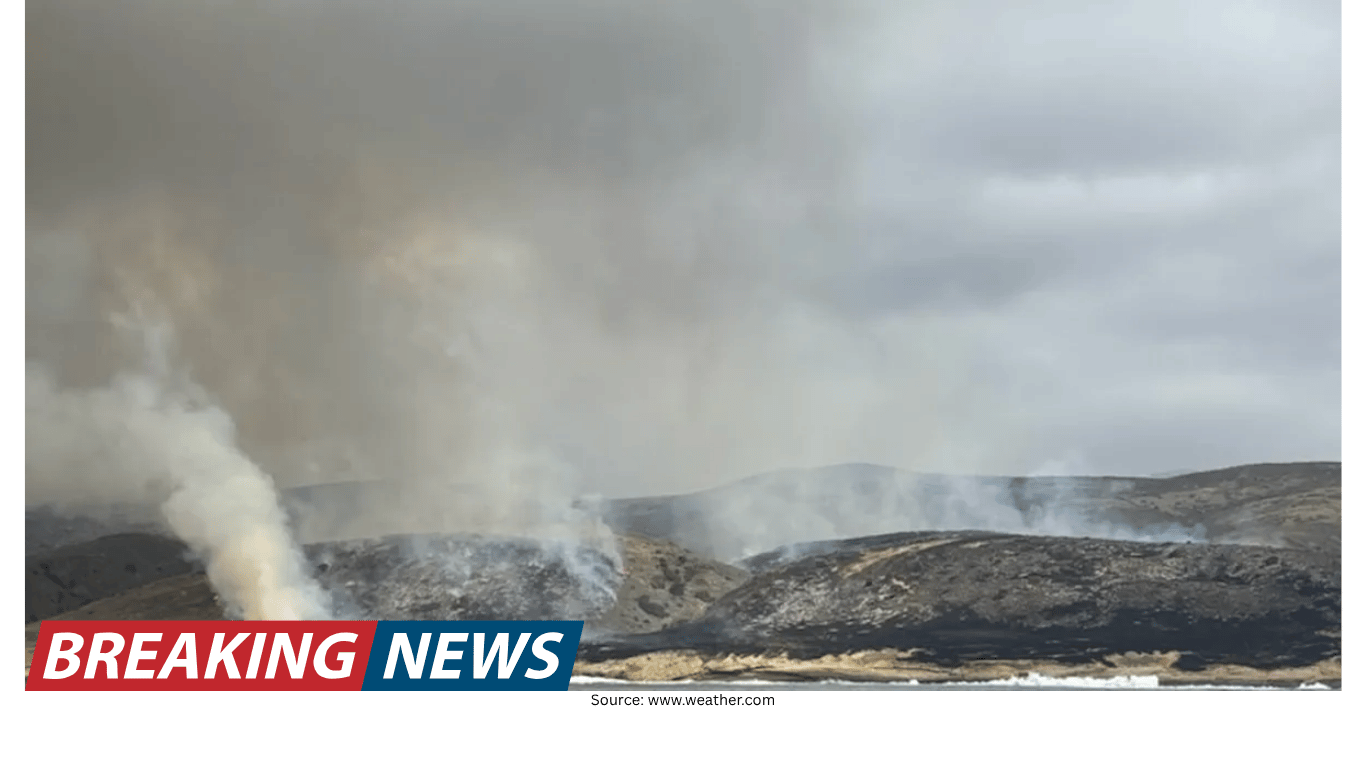
An island wildfire under investigation
A massive wildfire burning on one of California’s Channel Islands is still being investigated, and officials have not finalized what started it. Even so, new information has sharpened attention on a specific possibility: distress flares used by a stranded sailor.
According to details described by the U.S. Coast Guard, the flares deployed during the sailor’s emergency may have sparked the blaze. The Coast Guard’s account has added urgency and public interest to the investigation because it links a life-saving signal to a destructive outcome that followed.
At this stage, the key point remains that the cause has not been confirmed. Investigators are working to determine what ignited the fire, while responders and observers monitor conditions and the damage associated with a large, active burn on an island landscape.
What the Coast Guard details suggest
The Coast Guard information described as “stunning details” points to a scenario in which distress flares used by a sailor in trouble could have ignited vegetation or other combustible material. The implication is not presented as a final determination, but as a serious lead being considered while the broader investigation continues.
Distress flares are designed to be bright, visible signals that help rescuers locate people in danger. In remote settings—such as an island environment—flares can be an important tool for attracting attention when other communication methods are unavailable or unreliable.
However, the same characteristics that make flares effective for signaling—intense heat and burning material—can also create risk when deployed near dry fuels. The Coast Guard’s details, as described, suggest investigators are evaluating whether the sailor’s emergency actions and the wildfire’s start are connected in time and place.
The rescue from Santa Rosa Island
The sailor at the center of the investigation was rescued from Santa Rosa Island. The rescue has been described as amazing, and video of the operation shows the effort to reach and extract the person from the island setting.
Santa Rosa Island is part of California’s Channel Islands, a chain known for rugged terrain and limited access compared with mainland locations. Rescues in such areas can be complex, requiring coordination, careful navigation, and rapid response once a person is located.
In this case, the rescue is intertwined with the wildfire story: as the sailor was brought to safety, a destructive fire was burning “in his wake,” underscoring how quickly an emergency can evolve from a single-person incident into a broader public safety and environmental crisis.
Why the investigation matters
Determining the cause of a major wildfire is essential for accountability, prevention, and future response planning. When a fire is described as massive and destructive, the stakes are especially high: investigators must reconstruct what happened, identify the ignition source, and clarify whether the event was accidental, preventable, or linked to specific actions.
The Coast Guard’s details add a human element to the investigation. If distress flares are involved, the story becomes more complicated than a simple narrative of fault or blame. The sailor’s use of flares would have been connected to an urgent need for rescue, and the investigation would need to weigh the realities of an emergency situation against the potential for unintended consequences.
In the meantime, the public is left with two simultaneous realities: a person needed help and was rescued, and a wildfire continued to burn with significant impacts. The investigation aims to connect these events—or rule out a connection—based on evidence rather than assumption.
Distress signals and wildfire risk: an uneasy intersection
The scenario described by the Coast Guard highlights a broader tension that can arise in remote outdoor emergencies. Signaling devices are meant to save lives, and in many cases they do. Yet in environments where fire danger can be high, any ignition source can carry risk.
This is not a conclusion about what happened on the Channel Islands; it is simply the context that makes the Coast Guard’s suggestion notable. When investigators consider whether flares may have sparked a blaze, they are examining an intersection between survival tools and environmental vulnerability.
For the public, this can be a difficult idea to process: the same action that helps rescuers find a stranded person could also, under certain conditions, contribute to a fast-moving fire. That is precisely why investigators focus on the details—timing, location, and physical evidence—before reaching a determination.
What is known—and what is not
Based on the available details, several points are clear:
- A massive wildfire is burning on one of California’s Channel Islands.
- The cause of the fire is under investigation.
- The U.S. Coast Guard has provided details suggesting a stranded sailor’s flares may have sparked the blaze.
- The sailor was rescued from Santa Rosa Island, and video of the rescue has been shared.
At the same time, important elements have not been confirmed in the information provided:
- No final cause has been announced.
- The relationship between the flares and the ignition has not been definitively established.
- The full extent of the fire’s damage is not detailed in the available account.
These gaps matter because wildfire investigations often require time. The public may see dramatic images and hear compelling leads, but investigators typically must corroborate a sequence of events with evidence before stating conclusions.
The role of video in understanding the event
Video of the sailor’s rescue offers a direct view into the intensity and precision of emergency response on the Channel Islands. Such footage can help audiences understand the practical challenges of locating and retrieving someone in a remote coastal environment.
At the same time, rescue video does not answer the central investigative question of what started the wildfire. It can, however, provide context about conditions on the ground and the urgency of the situation that led to the use of distress signals.
For viewers, the combination of an “amazing rescue” and a “destructive fire” can create a powerful narrative. Investigators, however, must separate narrative from proof, ensuring that any link between flares and fire is supported by facts.
How major wildfires can reshape a story in real time
Wildfires often develop quickly, and their rapid growth can change how an incident is perceived. What begins as a report about a stranded sailor can become, within hours or days, a broader story about an island wildfire, emergency management, and the search for an ignition source.
In this case, the rescue and the fire are presented together, with the fire described as burning in the sailor’s wake. That phrasing captures the speed at which events can cascade: a distress situation triggers a response, and a separate but potentially related emergency expands into a destructive blaze.
Because the cause is not yet confirmed, the investigation remains the central thread. The Coast Guard’s details have elevated one possible explanation, but the official conclusion will depend on what investigators find.
Public attention and the need for careful conclusions
High-profile incidents can draw intense attention, particularly when they involve dramatic rescues and large wildfires. In such situations, it is common for early details to shape public perception before an investigation is complete.
The Coast Guard’s suggestion that flares may have sparked the fire is significant, but it is still presented as a possibility rather than a confirmed cause. That distinction is important for maintaining accuracy and fairness, especially when the underlying event involves someone who needed emergency help.
As the investigation continues, the most responsible approach is to treat the flare connection as a lead being examined, not a final verdict. The outcome will ultimately depend on investigative findings.
What to watch for next
With the fire still under investigation, the next developments will likely center on whether investigators can confirm the ignition source and the chain of events that led to the blaze. The Coast Guard details have put focus on the sailor’s distress flares, but the final determination will require evidence and official confirmation.
In the meantime, the rescue from Santa Rosa Island stands as a reminder of the challenges of emergencies in remote coastal settings. The wildfire burning on one of California’s Channel Islands, described as massive and destructive, underscores how fragile such environments can be when fire takes hold.
Until investigators complete their work, the story remains defined by two parallel outcomes: a successful rescue of a stranded sailor and an ongoing effort to understand what caused a major wildfire that followed.