
Thousands Gather in England to Mark the Winter Solstice
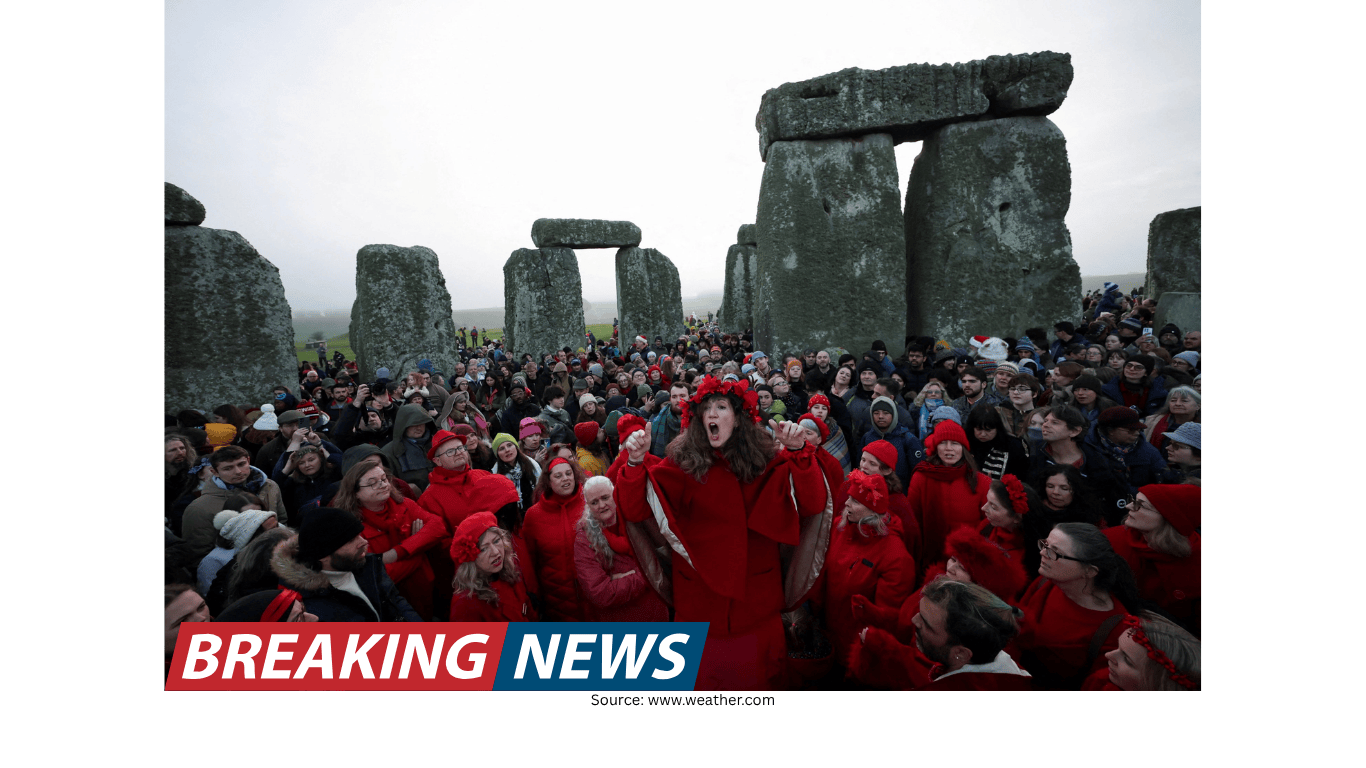
A midwinter turning point draws crowds
Thousands of people gathered in England to welcome the winter solstice, a calendar moment that marks the beginning of astronomical winter. The day has long served as a symbolic turning point in the seasonal cycle, and for many it remains an occasion to pause, reflect, and observe the shortest day of the year.
This year’s solstice celebrations drew large groups to two well-known locations: Stonehenge and Glastonbury Tor. While the settings are different, both places have become familiar gathering points for people who want to experience the solstice in a communal way, outdoors, and in locations that carry a sense of history and meaning.
What the winter solstice represents
The winter solstice is widely recognized as a key moment in the annual rhythm of daylight. It marks the start of astronomical winter, distinguishing it from other ways people describe the seasons. For the crowds who assembled, the day was not simply a date on the calendar; it was a shared experience centered on the sun’s position and the seasonal shift it signals.
Because the solstice is tied to the sun’s cycle, it naturally lends itself to rituals and gatherings. People often look to the solstice as a point of transition, when darkness reaches its peak and the gradual return of longer days begins. That idea of change—of moving from one phase of the year to the next—helps explain why the solstice continues to resonate with so many.
Stonehenge: a focal point for solstice celebrations
Stonehenge was one of the primary sites where thousands assembled to mark the day. The monument has become strongly associated with solstice observances, and the winter solstice is one of the times when people are especially drawn to gather there.
For attendees, the appeal is both practical and symbolic. Practically, it provides a central destination where people can come together in large numbers. Symbolically, the setting reinforces the feeling that the solstice is more than an ordinary morning or evening; it is an event with a sense of continuity, connecting modern observers with older traditions of watching the sun and marking the seasons.
In a crowd of thousands, the experience can be both personal and collective. Some people come quietly, simply to witness the day. Others arrive with a more structured purpose, participating in ceremonies or group activities. Even when motivations differ, the shared focus on the solstice creates a common thread among those present.
Glastonbury Tor: another gathering place
Glastonbury Tor also drew large numbers of people celebrating the winter solstice. Like Stonehenge, it is a place where the landscape itself becomes part of the experience. Gathering at such a location can heighten the sense of occasion, especially on a day defined by the sun and the turning of the season.
For many, the choice to meet at Glastonbury Tor reflects a desire for a communal observance in a distinctive setting. The solstice can be marked anywhere, but certain places carry a reputation for being especially suited to seasonal rituals and gatherings. The Tor’s role as a destination for solstice celebrations underscores how the day has become a cultural event as well as an astronomical one.
Traditions and beliefs tied to the solstice
The winter solstice has been linked to a variety of traditions, including pagan beliefs about the sun’s return. Some pagan traditions held that the sun was reborn on the winter solstice, an idea that frames the day not only as the start of astronomical winter but also as the beginning of a new solar cycle.
That concept of rebirth helps explain why the solstice can feel hopeful even as it arrives during the darkest period of the year. The day may be associated with cold weather and long nights, yet it also represents a shift toward increasing daylight. In that sense, the solstice can be interpreted as both an ending and a beginning.
Not everyone who attends solstice gatherings does so for religious or spiritual reasons. Many people participate out of curiosity, tradition, or a desire to be part of a public event. Still, the presence of long-standing beliefs and rituals adds depth to the occasion and gives participants multiple ways to connect with the day’s meaning.
Why thousands still show up
Large solstice gatherings can be understood as a mix of celebration, observation, and community. The winter solstice is a predictable event, but the act of witnessing it—especially in a group—can make it feel immediate and memorable.
There is also a simple human draw to shared milestones. Seasonal markers, whether tied to weather, daylight, or tradition, provide a reason to come together. In England, Stonehenge and Glastonbury Tor have become two of the places where that impulse is expressed most visibly on the winter solstice.
For some attendees, being present is a personal tradition repeated year after year. For others, it may be a one-time trip motivated by interest in the solstice itself. In both cases, the gatherings highlight how an astronomical event can become a social one, blending science, culture, and personal meaning.
A day that blends astronomy and culture
The winter solstice is rooted in astronomy, but the way it is observed often reflects culture and community. The day’s significance comes from the relationship between the Earth and the sun, yet the public response—traveling to specific sites, gathering in large numbers, and participating in rituals—shows how people build traditions around natural events.
Stonehenge and Glastonbury Tor are not simply backdrops. They function as meeting points where the solstice is made visible in a collective sense: people arrive, wait, watch, and acknowledge the moment together. Even without a single unified ceremony, the shared focus creates an atmosphere that distinguishes the day from ordinary winter mornings.
Key details from this year’s observances
- The winter solstice marked the beginning of astronomical winter.
- Thousands gathered in England to celebrate the day.
- Two major gathering locations were Stonehenge and Glastonbury Tor.
- Some pagan traditions believed the sun was reborn on the winter solstice.
What the solstice can mean for visitors and locals
When thousands converge on a small number of sites, the solstice becomes more than a private observation. It can turn into a notable day for local communities as well as for visitors. People who attend may experience the event as a kind of seasonal pilgrimage, while those living nearby may see an annual influx of crowds marking the same turning point.
The fact that people choose to gather outdoors—often in iconic or elevated places—suggests that the setting matters almost as much as the date. The solstice is a reminder that weather and daylight shape how people live and celebrate, even in modern life. Observing the start of astronomical winter in a public way emphasizes that connection to the natural calendar.
A recurring reminder of the season’s start
Each year, the winter solstice arrives as a clear signpost on the calendar, signaling the beginning of astronomical winter. The crowds at Stonehenge and Glastonbury Tor demonstrate that the day remains meaningful to many people, whether approached as a spiritual observance, a cultural tradition, or a shared moment to acknowledge the changing season.
As thousands gathered to welcome the solstice, the celebrations reflected an enduring interest in the sun’s cycle and the seasonal shift it represents. In that sense, the winter solstice continues to serve as both a natural event and a communal one—an annual reminder that even the darkest part of the year carries the promise of change.