
Midwest Braces for Another Round of Severe Storms as Weekend Begins
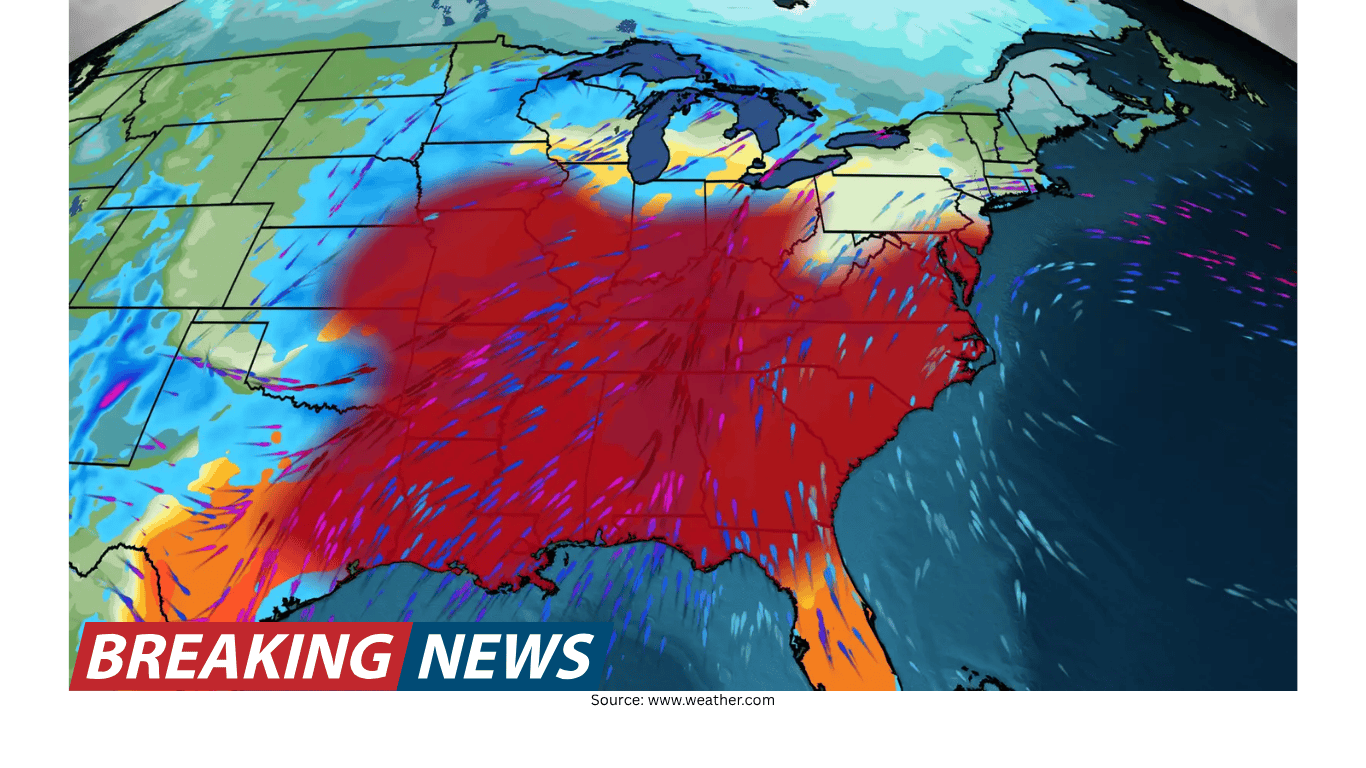
A renewed severe weather threat for the Midwest
Severe weather is again in the forecast for the Midwest on Friday, with Iowa and Missouri identified as key areas of concern. The outlook points to the potential for tornadoes, and the timing places the threat at the start of the weekend—often a period when more people are traveling, spending time outdoors, or attending events.
The setup is being closely watched because it represents another round of hazardous weather rather than a one-off event. When severe storms return in quick succession, the practical impact can be compounded: communities may still be recovering from earlier storms, and residents can become fatigued by repeated warnings. Even without adding any new details beyond the forecast itself, the central message is clear: Friday could bring dangerous conditions, and attention is focused on Iowa and Missouri.
Why Iowa and Missouri are in focus
Forecast discussions for severe weather often narrow in on specific states or corridors where the risk appears most concentrated. In this case, Iowa and Missouri are described as being in the “bullseye” for tornadoes on Friday. That phrasing signals that, within the broader Midwest region, these two states are expected to have the most favorable conditions for tornado development.
It is important to interpret that emphasis carefully. A “bullseye” does not mean tornadoes are guaranteed at any particular location, nor does it imply that surrounding areas are completely safe. Instead, it indicates where the risk is expected to be highest based on the evolving forecast. People outside the highlighted area can still experience severe thunderstorms, while those inside it should be especially alert to changing conditions.
How meteorologists describe the “ingredients” coming together
Meteorologist Rob Shackelford described the threat for Friday and explained why the ingredients are coming together to start the weekend. In everyday terms, that means the atmosphere is expected to align in a way that supports severe thunderstorm development, including the possibility of tornadoes.
Meteorologists often use the “ingredients” metaphor because severe weather typically requires multiple factors to overlap at the same time and place. When those factors align, the overall threat can rise quickly. The forecast framing here underscores that the concern is not simply that storms are possible, but that the environment may become supportive of more intense storms as Friday unfolds.
For the public, the practical takeaway from this kind of messaging is to treat Friday as a day when conditions could change rapidly. Even if the morning begins quietly in some locations, the forecast suggests that the broader setup is favorable for severe storms later on.
What “severe storms” can mean in practical terms
The forecast calls for severe weather in the Midwest, with tornadoes specifically mentioned as a concern for Iowa and Missouri. Severe storms can disrupt daily life in several ways, and tornado potential adds a layer of urgency because tornadoes can develop quickly and require immediate action when warnings are issued.
While the forecast emphasis is on tornado risk, severe thunderstorm setups can also bring other hazards. The key point is that “severe” is a category used when storms may pose a threat to safety and property. When meteorologists highlight a severe risk, it is a signal to review plans and be ready to respond to alerts.
This matters especially at the start of the weekend. Friday afternoons and evenings can be busy, and people may be driving longer distances, attending school events, or gathering for outdoor activities. A severe weather forecast does not automatically cancel plans, but it does mean plans should be flexible and safety-focused.
Timing: the threat arrives as the weekend begins
One of the notable aspects of the forecast is its timing: the ingredients are coming together to start the weekend. That phrasing places the heightened concern on Friday, a transition point when many households shift from weekday routines to weekend schedules.
From a preparedness standpoint, that timing can be challenging. People may be less likely to monitor weather updates closely once the workday ends, or they may be on the road. The forecast message encourages the opposite approach: stay informed, keep an eye on updates, and be ready to act if watches or warnings are issued.
For those in Iowa and Missouri, the weekend kickoff may come with the need to check the forecast more frequently than usual. For the broader Midwest, it is a reminder that severe weather can be regional, but its effects can be felt across a wider area through travel disruptions, event changes, and shifting plans.
Staying informed without overreacting
Severe weather messaging can sometimes feel alarming, especially when tornadoes are mentioned. At the same time, the goal of forecasting is to provide enough lead time for people to prepare, not to create panic. The forecast described here highlights a credible threat for Friday and identifies Iowa and Missouri as the most concerning area for tornado potential.
A balanced response starts with information. If you live in or near the highlighted region, consider checking updates throughout the day. Forecasts can evolve as new data arrives, and the most accurate picture often comes closer to the event. This is particularly relevant when meteorologists say the “ingredients” are coming together—small shifts in timing or storm development can influence which communities see the greatest impacts.
Being informed also means understanding that risk is not uniform. Even within a “bullseye” area, impacts can vary from one town to the next. The forecast is a call to readiness, not a prediction that every location will see the same outcome.
Practical steps to consider ahead of Friday
With severe weather again in the forecast for the Midwest, and Iowa and Missouri in focus for tornadoes, preparation can be straightforward and calm. The idea is to reduce last-minute decisions if conditions worsen.
Monitor forecast updates on Friday, especially if you are in Iowa or Missouri.
Make sure you can receive weather alerts, particularly if you will be away from home.
If you have outdoor plans, consider backup options in case storms develop.
Think through where you would go if a warning is issued, so you are not deciding under pressure.
These steps do not require specialized knowledge. They are simply ways to align your plans with a forecast that is already signaling elevated concern.
Why repeated forecasts matter
The forecast notes that severe weather is “again” expected for the Midwest. That word is doing important work: it indicates a repeat pattern rather than an isolated day of storms. In repeated severe weather periods, the public benefit of clear forecasting increases, because people may need reminders to stay vigilant even if they have already dealt with storms recently.
It can also influence how communities and families approach the day. If storms have occurred recently, some people may be tempted to assume the next round will be similar or less significant. The forecast emphasis on tornado potential in Iowa and Missouri suggests that Friday’s setup deserves attention on its own terms.
In other words, “again” should not be read as “more of the same.” It should be read as “another opportunity for severe weather,” with the specific risk profile described by the forecast.
What to watch for as the forecast evolves
The forecast framing—tornado bullseye for Iowa and Missouri, ingredients coming together on Friday—signals that meteorologists will be monitoring how the setup develops through the day. For the public, the most useful approach is to follow updated guidance as it becomes available.
Forecasts for severe storms can shift in terms of where the highest risk sets up, how quickly storms develop, and what hazards become most prominent. Even if the overall message remains consistent—severe storms possible, tornado risk highlighted—details can change enough to matter for local decision-making.
If you are traveling across the Midwest on Friday, it may be worth checking conditions not only at your destination but also along your route. A regional severe weather day can affect multiple areas, and the emphasis on Iowa and Missouri suggests that travel through or near those states may require extra attention to weather conditions.
A weekend beginning with weather uncertainty
For many people, the start of the weekend is associated with predictability: errands, sports, gatherings, or time outdoors. A severe weather forecast introduces uncertainty, and the mention of tornado potential can be particularly disruptive to plans that involve being outside or being far from sturdy shelter.
The forecast message does not say that every plan must be canceled. It does say that the weekend may begin with a need to stay flexible. If storms develop, the safest choice may be to pause activities and move indoors. If warnings are issued, immediate action may be required.
In this context, flexibility is not just a convenience—it is a safety strategy. Being willing to adjust timing, choose indoor alternatives, or leave an outdoor venue early can reduce risk on a day when severe storms are in the forecast.
Bottom line
Severe weather is forecast for the Midwest on Friday, and Iowa and Missouri are highlighted as being in the bullseye for tornadoes. Meteorologist Rob Shackelford says the ingredients are coming together as the weekend begins, a signal that conditions may become favorable for dangerous storms.
For residents and travelers in the region, the key is to stay informed, be prepared to adjust plans, and respond quickly to any watches or warnings. The forecast is a reminder that severe weather can return quickly—and that paying attention ahead of time can make a meaningful difference when storms develop.