
Food, Access and Recovery After a Western Alaska Flood Disaster
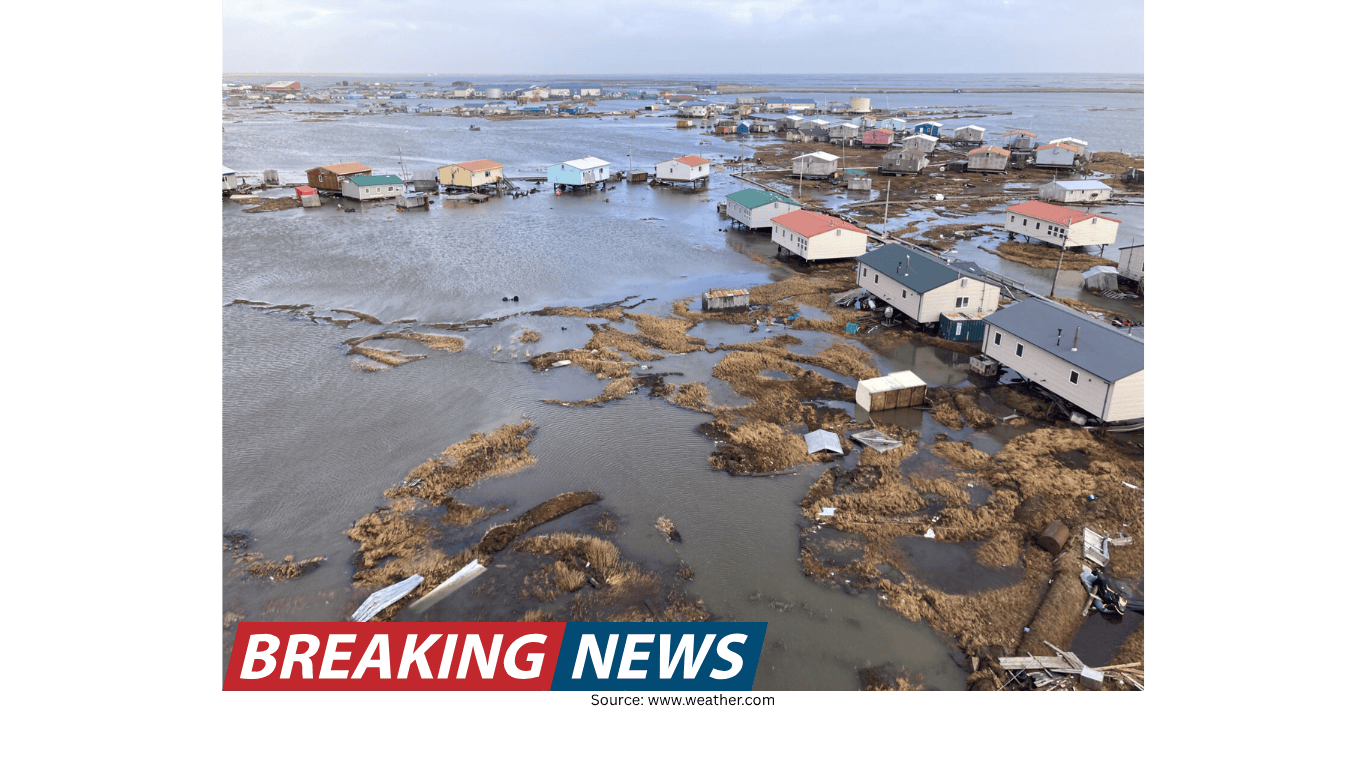
A disaster defined by water, wind and distance
In early October, villages across western Alaska were hit by record flooding and extreme winds that reached as high as 100 mph. The combination proved devastating: floodwaters surged while powerful gusts tore through communities, and the storm ultimately carried away hundreds of homes. For residents, the immediate impact was physical and visible—structures gone, neighborhoods altered, and daily routines abruptly interrupted.
Yet the scale of the disaster was not only about what the storm destroyed. It was also about where it happened. These villages are remote, and there are no roads connecting the communities. That single fact reshaped nearly every part of response and recovery, from the movement of supplies to the ability of neighbors and families in different places to support one another quickly.
In settings where roads do not exist, even ordinary logistics become complex. After a major storm, those complexities can become defining. When hundreds of homes are swept away and the weather has already demonstrated its power, the question of how to get essentials—especially food—to survivors becomes urgent and difficult at the same time.
Communities accustomed to harsh winters faced a different kind of challenge
Western Alaska residents are accustomed to severe winter conditions. Harsh seasons and deep cold are part of life; temperatures can fall to 40 below zero. Experience with that kind of climate can foster preparedness, resilience and a practical understanding of what it takes to get through long, difficult months.
But the devastation that followed the remnants of Typhoon Halong presented a daunting challenge that went beyond familiar winter hardship. Cold and darkness are one kind of test; widespread flooding and extreme winds that remove homes are another. The remnants of the typhoon left behind a situation in which shelter, stability and basic access to supplies became immediate concerns.
When a community is used to enduring cold, it does not mean it is insulated from disaster. Instead, it often means people have learned to manage predictable seasonal threats. A storm that brings record flooding and destructive wind can disrupt even well-practiced routines, particularly when it damages housing and complicates transportation in places already separated by geography.
Why food became a central issue in the aftermath
After any major storm, food is a necessity that quickly becomes a measure of how recovery is progressing. Survivors need meals not only for nutrition and energy, but also for a sense of normalcy when everything else feels uncertain. In western Alaska’s remote villages, the lack of road connections made the task of getting food to storm survivors especially challenging.
With hundreds of homes carried away, many residents faced sudden upheaval. In that context, cooking and storing food can become difficult, even for families who are otherwise capable and prepared. The question is not simply whether food exists somewhere in the region, but whether it can reach people reliably and in time.
Food, in other words, becomes both a practical need and a symbol. It is practical because it sustains people through exhausting days and long nights. It is symbolic because a warm meal can signal that help is present, that the community has not been forgotten, and that recovery is possible even when the landscape has changed.
Remoteness and the absence of roads: a defining obstacle
The villages affected in western Alaska are described as remote and largely Indigenous communities. Their remoteness is not an abstract detail; it is a daily reality that shapes how goods, services and support move. When a storm hits, that reality becomes even more consequential.
In many parts of the country, disaster response can lean on road networks to move supplies, deploy crews and connect shelters. Here, there are no roads connecting these communities. That means a response effort cannot simply rely on trucks moving from one place to another. It must adapt to the local geography and the constraints it imposes.
This is why the aftermath was described as daunting in terms of getting food to survivors. The challenge was not only the quantity of need created by record flooding and intense winds; it was also the difficulty of reaching communities in the first place. When the usual pathways are limited, coordination becomes more complex and timing becomes more critical.
A partnership focused on feeding people—and supporting recovery
In the wake of the storm, a relief effort highlighted how collaboration can help bridge logistical and human needs. World Central Kitchen teamed up with a local non-profit, Bean’s Cafe, to feed survivors. The partnership was framed not only as a way to provide meals, but also as a way to help heal survivors’ souls.
That phrasing points to something many disaster responders recognize: recovery is not solely about infrastructure. It is also about morale, dignity and the emotional toll of sudden loss. When hundreds of homes are carried away, people are not just dealing with damaged property; they are dealing with disorientation, grief and the stress of uncertainty.
Food support can meet people at the intersection of physical and emotional needs. A meal can be immediate relief, but it can also be a moment of care—an acknowledgment that survivors deserve comfort and attention, not just a checklist of supplies.
How food assistance can function as community care
In a disaster context, the act of feeding people can carry meaning beyond calories. It can restore routine, create a gathering point, and provide a small but significant sense of stability. When a storm has carried away homes, survivors may be navigating disrupted schedules, changed living arrangements and the practical demands of day-to-day survival.
In such moments, food can become a form of community care. It is something tangible that can be shared, something that can be organized and delivered even when other systems are strained. It can also be an entry point for additional support—because when people come together for meals, they can exchange information, check on one another, and feel less isolated.
The partnership between a global relief organization and a local non-profit underscores another reality: local presence matters. Local groups often understand the community’s rhythms and needs, while larger organizations can bring additional capacity. Together, they can focus on immediate necessities while also recognizing the emotional strain survivors carry.
What this event shows about weather impacts in remote regions
This western Alaska storm illustrates how extreme weather can create cascading challenges in places where geography already limits access. The record flooding and winds up to 100 mph were the direct hazards. The indirect hazards included the difficulty of moving food and other essentials to communities without road connections.
It also highlights how different types of severe conditions can intersect. Residents are familiar with harsh winters and deep cold, yet the remnants of Typhoon Halong brought a different pattern of destruction—flooding and wind damage that removed housing and reshaped immediate living conditions.
When extreme weather hits remote regions, the response is often defined by constraints that may be invisible to outsiders. The absence of roads is one such constraint. It can turn a straightforward task—delivering food—into a complicated operation requiring careful coordination and partnerships that can work within local realities.
Key takeaways from the response effort
Severity of the storm: Record flooding and winds as high as 100 mph caused extensive damage, including hundreds of homes carried away across villages in western Alaska.
Geographic isolation: The affected communities are remote, and there are no roads connecting them, making delivery of food and other essentials especially challenging.
Experience does not eliminate vulnerability: Residents are accustomed to harsh winters and temperatures as low as 40 below zero, yet the storm’s flooding and wind damage created a distinct and daunting recovery environment.
Partnership-driven relief: World Central Kitchen worked with the local non-profit Bean’s Cafe to feed survivors, emphasizing both physical nourishment and emotional support.
Food as more than sustenance: In the aftermath of home loss and disruption, meals can contribute to a sense of care and help survivors begin to recover emotionally as well as physically.
Beyond immediate relief: why the human element matters
Disaster coverage often focuses on numbers: wind speeds, water levels, and counts of damaged structures. Those details are important, and in this case they are stark—record flooding, winds up to 100 mph, and hundreds of homes carried away. But the human experience of such an event is not captured by metrics alone.
For survivors, the aftermath is lived in a series of practical decisions and emotional adjustments. Where to sleep, how to stay warm, how to connect with others, how to plan for the next day. In remote villages without road connections, even small tasks can become more complicated, and the sense of isolation can intensify.
This is why the idea of helping to “heal their souls” resonates in the context of food relief. It suggests an understanding that people need care that acknowledges shock and loss. A meal can be a form of respect—something prepared and offered with the recognition that survivors are not just recipients of aid, but members of communities working to hold themselves together.
A reflection on resilience and support
The western Alaska storm and its aftermath point to resilience in two forms. One is the resilience of communities accustomed to harsh conditions—people who know how to endure cold and long winters. The other is the resilience that emerges through support networks, including partnerships that bring together outside capacity and local knowledge.
When a storm leaves behind record flooding and extreme winds, resilience does not mean going it alone. It can also mean accepting help, coordinating resources, and finding ways to meet immediate needs in a setting where distance and limited infrastructure make every step harder.
In this case, the act of feeding people became a central part of that support. It addressed an urgent need created by the storm and did so in a way that recognized the emotional weight of what survivors had endured. In remote communities facing daunting logistics, that combination—practical assistance delivered with human care—can be an essential part of the path forward.